Tariffs Won't Wait for Your Business Plan
If you are a small business owner and you have not yet taken a hard look at how tariffs are affecting your bottom line, now is the time. Not next quarter. Not when things settle down. Now.
The trade environment has shifted in ways that are structural, not temporary. And while large corporations have legal teams, trade experts, and cash reserves to absorb the impact, most small businesses are navigating this alone. Here is what is actually happening, and what you can do about it.
The Numbers Are Not Small
A Federal Reserve survey found that 42% of small firms identified rising costs from tariffs as a primary financial concern. That is nearly half of all small businesses in the country raising their hand and saying this is a real problem.
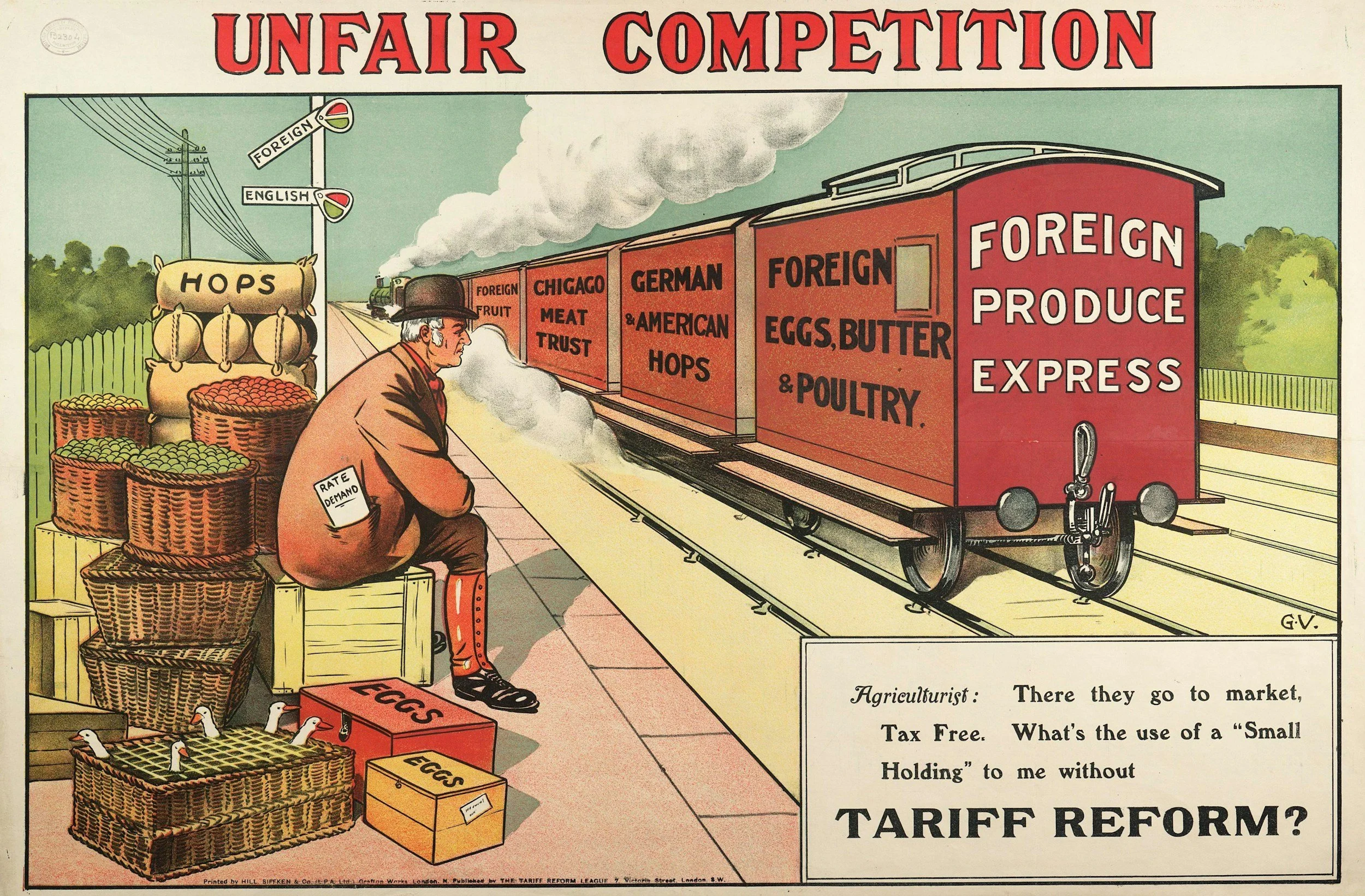
A March report from the Center for American Progress found small businesses paid an average of $306,000 in tariffs last year. That is not a rounding error. That is payroll. That is inventory. That is growth capital sitting in a tariff line.
According to a recent National Federation of Independent Businesses (NFIB) survey, 56% of small business respondents reported that tariffs negatively impact their operations, including 16% who cited a significant negative impact.
And yet, many small business owners are still in wait-and-see mode. That posture is no longer viable.
What Changed in 2026
In February 2026, the Supreme Court ruled that tariffs imposed under the International Emergency Economic Powers Act (IEEPA) were unconstitutional. The ruling ordered roughly $166 billion in collected tariffs to be refunded. That sounds like good news. For many small businesses, it has not been that simple.
Large companies like Costco and FedEx moved quickly to file lawsuits ensuring eligibility for refunds. Smaller businesses, often without attorneys or trade expertise, are at a disadvantage in navigating the legal and administrative process to secure what they are owed.
The NFIB has called on the administration to make the U.S. Customs and Border Protection online refund portal efficient for small businesses, and urged large companies to share refunds with small business partners who absorbed increased costs indirectly.
Even with potential refunds on the table, the day-to-day operational pressure has not eased. And after the Supreme Court ruling, the administration moved quickly, invoking Section 122 of the Trade Act of 1974 to impose a new 15% tariff. The push and pull between the executive branch and Congress is still developing, and it remains unclear how or whether the current tariff structure will shift in the months ahead.
The bottom line is this: there is no clean resolution on the horizon. Tariffs, in some form, are part of how your business will need to operate going forward.
Supply Chains Are Already Reshaping
Small and midsize businesses are not just absorbing the cost. Many are actively changing how they source products and materials.
According to the Netstock 2026 Tariff Impact Report, nearly half of small and midsize businesses now face tariff impacts from two or more sourcing regions at once, and one in three cite tariffs as a direct reason for changing suppliers in the past year.
China remains the most impacted sourcing region, cited by 74% of respondents, but businesses are increasingly branching into Europe, Southeast Asia, and Mexico to reduce risk.
73% of small and midsize businesses have extended their inventory planning time horizons, a meaningful shift from the short-cycle, reactive planning that most small businesses have relied on for years.
That said, diversifying suppliers is harder than it sounds. As one supply chain expert put it, if you are sourcing from China, it is hard to find another location that can do the same production at the same quality and cost. Many businesses are adopting a hybrid approach, keeping their existing suppliers while slowly building relationships with alternatives in other regions.
For Texas-based businesses, Mexico remains one of the most practical alternatives. The United States-Mexico-Canada Agreement (USMCA) provides a framework for duty-free trade in qualifying goods, and Mexico's proximity eliminates many of the shipping, communication, and quality control challenges that come with transitions to Asian alternatives.
What Small Businesses Are Actually Doing
The businesses holding up best right now are not the ones waiting for policy clarity. They are the ones who treated the tariff environment as a forcing function and made operational decisions accordingly.
According to the National Federation of Independent Business, cost pressures remain the top concern for small business owners entering Q2 2026, with a record percentage reporting that supply chain and logistics expenses are now their primary barrier to profitability.
Here is what practical adaptation looks like on the ground:
Audit your exposure first. Before you make any moves, you need to know exactly where tariff costs are hitting you. Map your top five products or services and identify every imported input. Know your HTS codes. If you do not know what that is, a licensed customs broker can help you identify potential reclassifications that might reduce your rate.
Talk to your suppliers now. Ask whether they will hold pricing through Q3 in exchange for a volume commitment. Ask your carriers what a six-month fixed-rate agreement looks like. Many suppliers are willing to negotiate, especially if you can offer predictability on your end.
Start sourcing conversations, even if you are not ready to switch. Contact two or three alternative suppliers, domestic or nearshore, and request quotes. You do not have to commit. But you need those numbers before you are forced to make a rushed decision.
Build a tariff reserve. One practical recommendation is to establish a tariff reserve fund with an initial deposit equal to one month of tariff costs. Treat it like an emergency fund for your supply chain.
Raise prices where it is justified. This is the conversation most small business owners are avoiding. But absorbing costs indefinitely is not a strategy. As one small business owner noted, "We can only charge so much, so we're having to eat that cost again." That approach works until it does not. Communicate transparently with your customers. Most understand that the environment has changed.
If You Are Owed a Refund, Apply
If your business imported goods that were subject to the IEEPA tariffs ruled unconstitutional in February, you may be eligible for a refund through the U.S. Customs and Border Protection's Consolidated Administration and Processing of Entries (CAPE) portal. The system began accepting applications in April 2026, but small businesses face real hurdles in navigating the process without legal or trade expertise.
Organizations like SCORE, your local Small Business Development Center, and trade attorneys who specialize in import/export law can help you understand your eligibility and walk through the documentation process. Do not leave money on the table because the paperwork feels overwhelming.
The Math Has Changed
This is not a story about one administration's trade policy. It is a story about a fundamental restructuring of global trade that has been building for years. The businesses that will survive the next decade are the ones building resilience into their operations now, not as a reaction to a crisis, but as a standard practice.
Even if specific tariff rates change, the era of expansive trade barriers and geopolitically motivated tariffs represents a structural shift, not a temporary disruption.
That means small businesses need to stop treating trade risk as an external shock and start treating it as a permanent variable in their business model. That shift in thinking is where the real competitive advantage lives.
Emerge and Rise exists to help entrepreneurs in our community build businesses that are not just launched, but built to last. If your business is navigating tariff impacts and you need strategic guidance, reach out to us. You should not have to figure this out alone.

Your donations make our work possible.
When you give to Impact, you provide resources that transform the community.
Keep Reading