From Quantum to AI: Understanding the Next Wave of Intelligence
Artificial intelligence did not arrive suddenly. The tools businesses use today: automation, chat interfaces, predictive systems, are the result of decades of progress in computing and data science. What feels new is not the existence of AI, but its accessibility and speed.
What is happening now is a convergence. Several layers of technology are coming together at once, each building on the last. Quantum computing expands what machines can process. Artificial intelligence turns that processing into insight. Generative systems move from insight to creation. And large language models make all of it usable to everyday users.
Understanding this progression is not about following trends. It is about understanding how the foundation of business operations is changing.
Quantum Computing Expands the Boundaries of Possibility
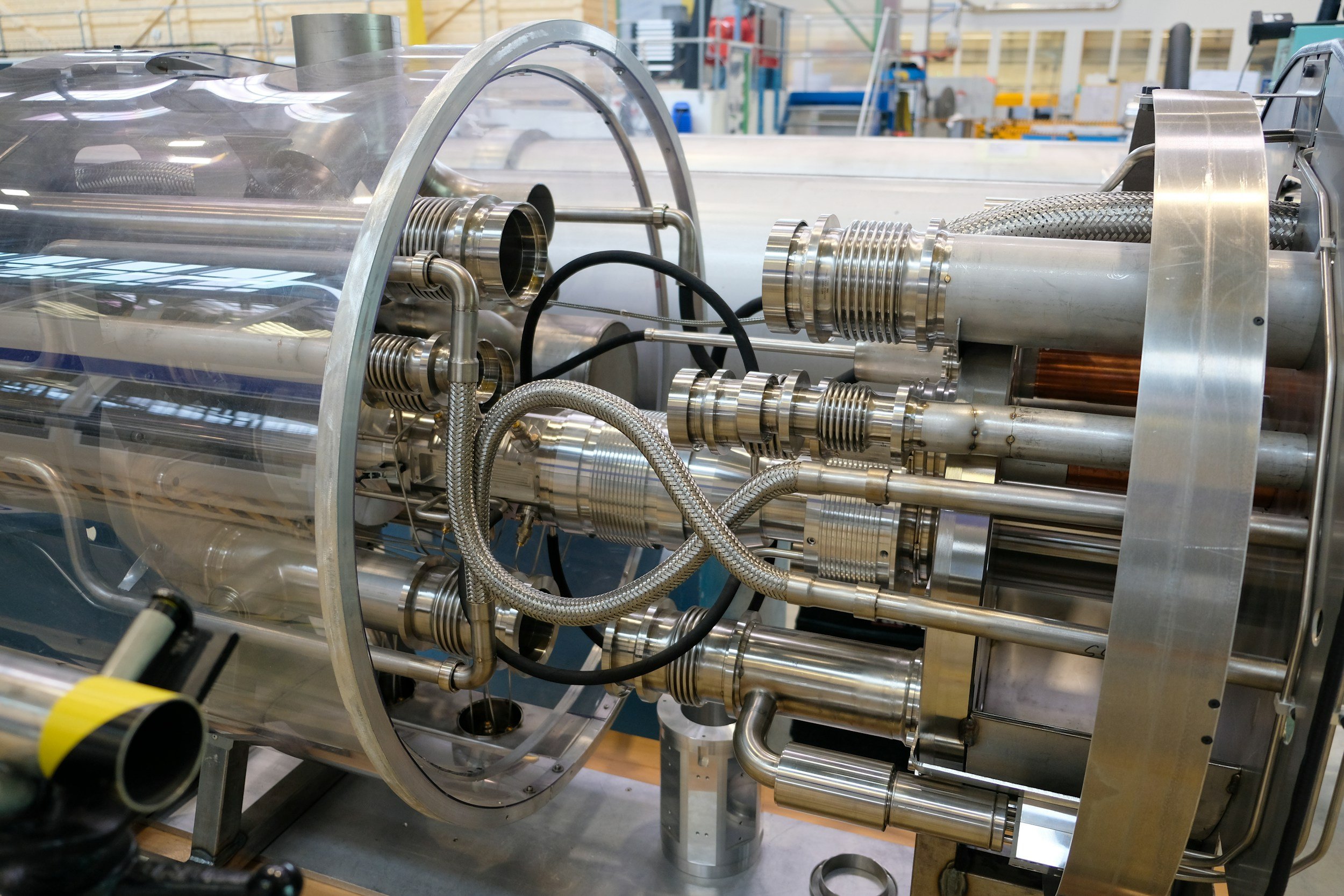
Traditional computers are built on binary logic. Every calculation is reduced to a series of ones and zeros. This approach is reliable and efficient for most tasks, but it struggles with problems that involve large numbers of variables interacting at once. As complexity increases, the time required to process those problems grows exponentially.
Quantum computing introduces a different model. Instead of binary bits, it uses qubits, which can exist in multiple states at the same time. This allows quantum systems to evaluate many potential outcomes simultaneously rather than one after another. According to research from Amazon Web Services, this capability makes quantum computing particularly effective for optimization problems, complex simulations, and large-scale data modeling. These are problems that traditional systems can technically solve, but only with significant time and resource constraints.
McKinsey notes that while quantum computing is still developing, its long-term impact will likely reshape industries that depend on precision and prediction. Fields like logistics, pharmaceuticals, and finance rely on modeling systems that involve thousands or even millions of variables. Quantum computing does not replace existing systems today, but it expands what becomes possible tomorrow. For businesses, it represents a shift in potential rather than an immediate operational tool.
Artificial Intelligence Turns Data Into Action
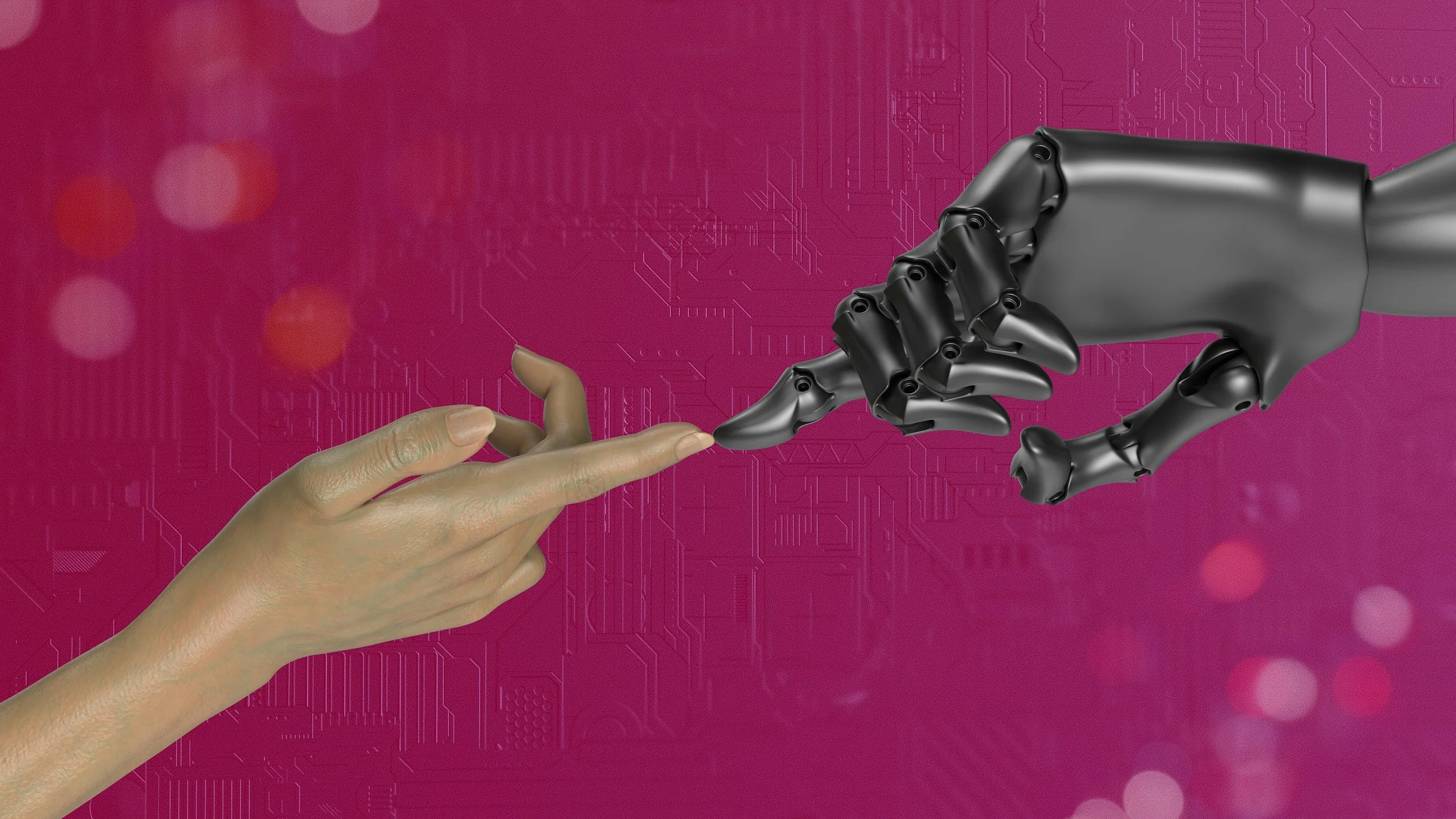
Artificial intelligence builds on computing power by introducing learning. Instead of following static instructions, AI systems identify patterns in data and adjust their outputs based on those patterns. This allows machines to move beyond calculation and into decision support.
In practice, AI already operates inside most businesses. It forecasts demand, identifies risks, recommends products, and optimizes processes. These systems rely on large datasets, but more importantly, they rely on the ability to recognize relationships within those datasets. The more data available, the more accurate the system becomes.
As computational power grows, including advancements influenced by quantum research, AI systems become more capable of handling complexity. They can process more variables, respond to uncertainty, and generate more precise predictions. The shift is subtle but significant. Businesses move from reacting to information to anticipating outcomes. This changes how decisions are made, how quickly they are made, and who, or what, supports them.
Generative AI Moves From Insight to Creation
Generative AI marks a turning point in how machines are used. Instead of only analyzing data, these systems create new outputs based on learned patterns. This changes the role of technology from a tool that informs to a tool that produces.
The impact is visible across industries. Generative systems can draft content, design visuals, generate code, and simulate scenarios. These outputs are not random. They are built from probability models that reflect patterns in large datasets. The result is content that feels structured, relevant, and often human-like in its presentation.
This shift changes how work is done. Tasks that once required significant time and specialized skills can now be completed more quickly, often with fewer resources. But the value does not come from the tool itself. It comes from how the tool is used. Businesses that integrate generative AI effectively can increase productivity and focus more on strategy. Those that do not may find themselves competing against organizations that operate at a different pace.
Large Language Models Make AI Accessible
Large language models are what most people interact with directly. They are a type of generative AI designed to understand and produce human language. What makes them powerful is not just their capability, but their accessibility.
These models allow users to engage with complex systems through simple conversation. Instead of writing code or running advanced queries, a user can ask a question in plain language and receive a structured response. This lowers the barrier to entry for advanced technology and brings AI into everyday workflows.
For businesses, this changes who can use technology and how often it is used. Decision-making becomes more distributed. Teams can generate ideas, test approaches, and refine outputs without relying on specialized roles for every step. The interface becomes simpler, but the underlying system becomes more powerful. That combination is what accelerates adoption.
A Connected System, Not Separate Trends
These technologies are often discussed as separate innovations, but they are better understood as a system. Each layer builds on the previous one, increasing both capability and usability.
Quantum computing expands processing potential. Artificial intelligence turns that potential into analysis. Generative AI transforms analysis into creation. Large language models translate that creation into something people can use.
Together, they form a stack that changes how information flows through a business. Data is no longer static. It is processed, interpreted, generated, and communicated in a continuous cycle. The speed of that cycle is increasing, and with it, the expectations placed on organizations.
What This Means for Businesses Today
Most businesses will not use quantum computing directly in the near future. But they will feel its effects through the tools they already use. AI systems will become faster and more accurate. Generative tools will become more capable. Interfaces will become more intuitive.
The shift is already visible. Businesses that adopt these tools are reducing time spent on routine tasks, improving decision quality, and responding more quickly to market changes. The advantage is not just efficiency. It is adaptability.
The challenge is not access to technology. It is the ability to apply it effectively. Businesses that focus on integrating these tools into real workflows will see the most benefit. Those who treat them as isolated experiments may struggle to capture value.
The Real Change Is How Work Happens
The conversation around technology often focuses on innovation. But the deeper shift is in how work itself is structured. Businesses are moving away from manual processes toward systems that support and enhance decision-making.
This is not a replacement of people. It is a redefinition of roles. Humans move toward strategy, judgment, and oversight, while machines handle processing, generation, and repetition. The balance between the two will define how organizations operate in the coming years.
Businesses that invest in:
digital literacy
process improvement
practical AI adoption
team training
will be better positioned to operate in this environment.
The future is not defined by who has access to technology. It is defined by who knows how to apply it.
Understanding this shift is not about predicting the future. It is about recognizing what is already happening and adjusting accordingly. The businesses that succeed will not be the ones with the most advanced tools. They will be the ones who use them with clarity and purpose.

Your donations make our work possible.
When you give to Impact, you provide resources that transform the community.
Keep Reading