Congress Pushes AI Support for Small Businesses
Why Military Experience Still Shapes San Antonio’s Small Business Economy
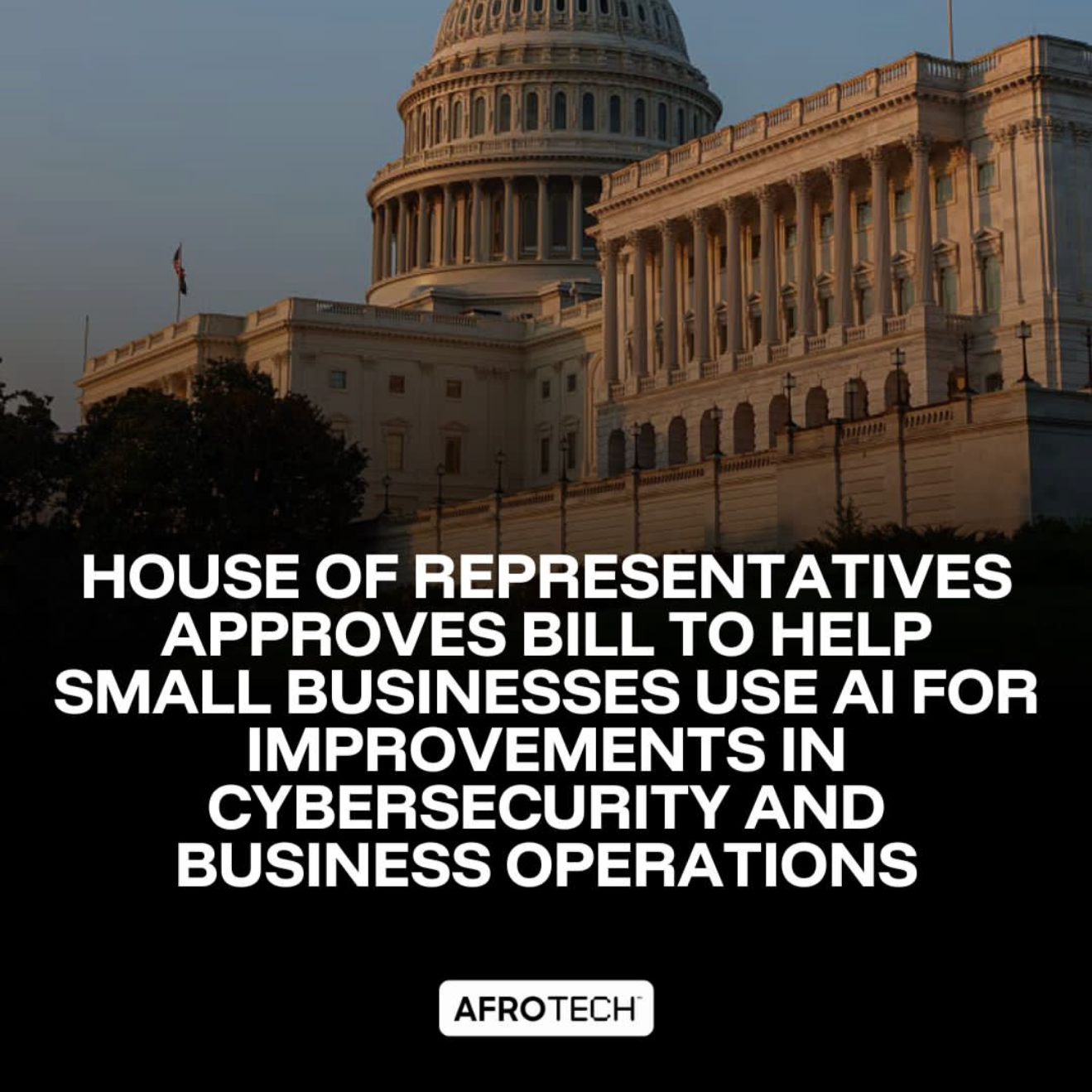
Image Source: Instagram afro.tech
Congress is moving to bring artificial intelligence within reach for small businesses. The House passed two bipartisan bills that aim to help small firms adopt AI tools safely and support federal research that strengthens small business competitiveness.
The votes signal a rare point of agreement in Washington. Both parties see AI as a force that will reshape work, operations, and security, and they do not want small firms left behind.
The First Bill: AI for Main Street Act
The AI for Main Street Act passed the House with broad support. The bill instructs the national network of Small Business Development Centers (SBDCs) to assist small companies in understanding and adopting AI. It expands their role from traditional business advising into technology guidance.
Under the bill, SBDCs would help owners:
learn how AI works
understand risks and best practices
identify tools that match their needs
adopt AI safely and ethically
receive training on basic implementation
The goal is simple. Small businesses should not have to navigate AI alone. They need reliable information, trusted advisors, and straightforward training. The Act positions SBDCs as the first stop for small firms trying to modernize their operations.
This responds to a major gap in the market. Most small businesses do not have IT departments. They rely on outdated tools. They run lean, and they avoid technology decisions that feel confusing or risky. By offering structured support, the bill aims to close the emerging AI divide between large corporations and Main Street businesses.
The Second Bill: Small Business Technological Advancement Act
The House also passed the Small Business Technological Advancement Act, which focuses on improving federal research programs that support small business innovation. The bill updates how agencies conduct technical evaluations and expands opportunities for small firms to participate in R&D programs.
It aims to modernize the Small Business Innovation Research (SBIR) and Small Business Technology Transfer (STTR) pipelines, which help small firms commercialize new technology. By improving federal review processes and strengthening technical collaboration, the bill supports high-growth startups and technology-driven small businesses.
Together, both bills signal a clear shift. Congress wants small businesses to play a larger role in the country’s technology future.
The Stakes for Everyday Business Owners
AI is no longer an optional upgrade. It is becoming a core operational tool, just like email and cloud storage once were. Large companies already use AI to reduce costs, automate tasks, improve cybersecurity, manage risk, forecast demand, and shape customer experience. Small businesses that delay adoption face widening gaps in productivity and competitiveness.
The AI for Main Street Act tackles a crucial issue. Many owners want to use AI but feel overwhelmed by where to start. They have real concerns about safety, ethics, data privacy, and cost. Without guidance, they hesitate, and hesitation slows growth.
The legislation responds by giving small firms direct access to training through existing infrastructure. It offers an on-ramp instead of a barrier.
Meanwhile, the Technological Advancement Act helps small businesses drive innovation, startups working on software, sensors, robotics, cybersecurity, or applied AI. These firms often struggle to navigate federal programs or compete with larger contractors. Updating the system helps level the playing field.
Cybersecurity Is a Driving Force Behind the Bills
AI has enormous potential to improve cybersecurity for small firms. Many small businesses lack dedicated security staff, yet they face rising risks from phishing, fraud, data breaches, and ransomware. AI tools can monitor threats, automate detection, and reduce human error.
The House legislation notes that AI can strengthen digital defenses if companies adopt it responsibly. Without training and safeguards, AI systems can expose firms to new risks. The bills aim to support responsible adoption, not reckless use.
This aligns with what cybersecurity researchers warn about: the gap between large enterprise protection and small business protection is widening. Congress is trying to close it before the divide grows unmanageable.
The Risks of Unguided AI Adoption
Small businesses also face real risks if they adopt AI without proper guidance. Poor setup can expose customer data, weaken cybersecurity, or create openings for fraud. Misconfigured tools may automate errors instead of improving accuracy. And without clear policies, employees may rely on AI in ways that violate privacy standards or industry rules. Large companies have teams to manage these risks. Most small firms do not. This is why structured training and trusted support matter. It keeps innovation from becoming a liability.
What This Means for Texas and San Antonio
Texas has one of the highest small business populations in the country, and San Antonio is home to a growing cybersecurity and innovation ecosystem. These bills position the region to benefit. Local SBDCs, universities, and technical partners could become hubs for AI training, workshops, and hands-on implementation support.
For companies in retail, trades, logistics, food service, professional services, and healthcare, AI can automate routine tasks, reduce operational errors, streamline scheduling, strengthen customer experience, and support financial planning.
San Antonio’s strong cybersecurity community, combined with its deep small business base, makes the city well positioned to absorb federal support quickly if the bills become law.
The Bigger Picture: Small Firms Need Clear Guidance
AI will shape the next decade of business. But many owners do not know where to begin. They fear the cost, the risk, or the complexity. They fear doing it wrong.
These bills aim to remove that fear. They recognize that small businesses need structured support, not buzzwords. They need someone to explain what AI is and what it is not. They need training built for real operations, not enterprise-scale playbooks.
This is the real value of the legislation. It creates a bridge between innovation and practical use.
If your business is exploring AI or modernizing operations, our Technical Assistance Program can help you do it safely and effectively. We work directly with small businesses to assess needs, strengthen cybersecurity, improve workflows, and build practical AI readiness via our vetted partners. Our goal is to get you clear guidance, hands-on support, and a safer path to innovation.

Your donations make our work possible.
When you give to Impact, you provide resources that transform the community.
Keep Reading