Congress Extends Key Innovation Programs (SBIR & STTR)
Federal lawmakers are moving to keep a major source of innovation funding alive. The House passed H.R. 5100, a bill that extends the Small Business Innovation Research (SBIR) and Small Business Technology Transfer (STTR) programs through 2026.
These programs support thousands of emerging companies each year, yet many founders do not know how central they are to the nation’s R&D pipeline.
What the Bill Actually Does
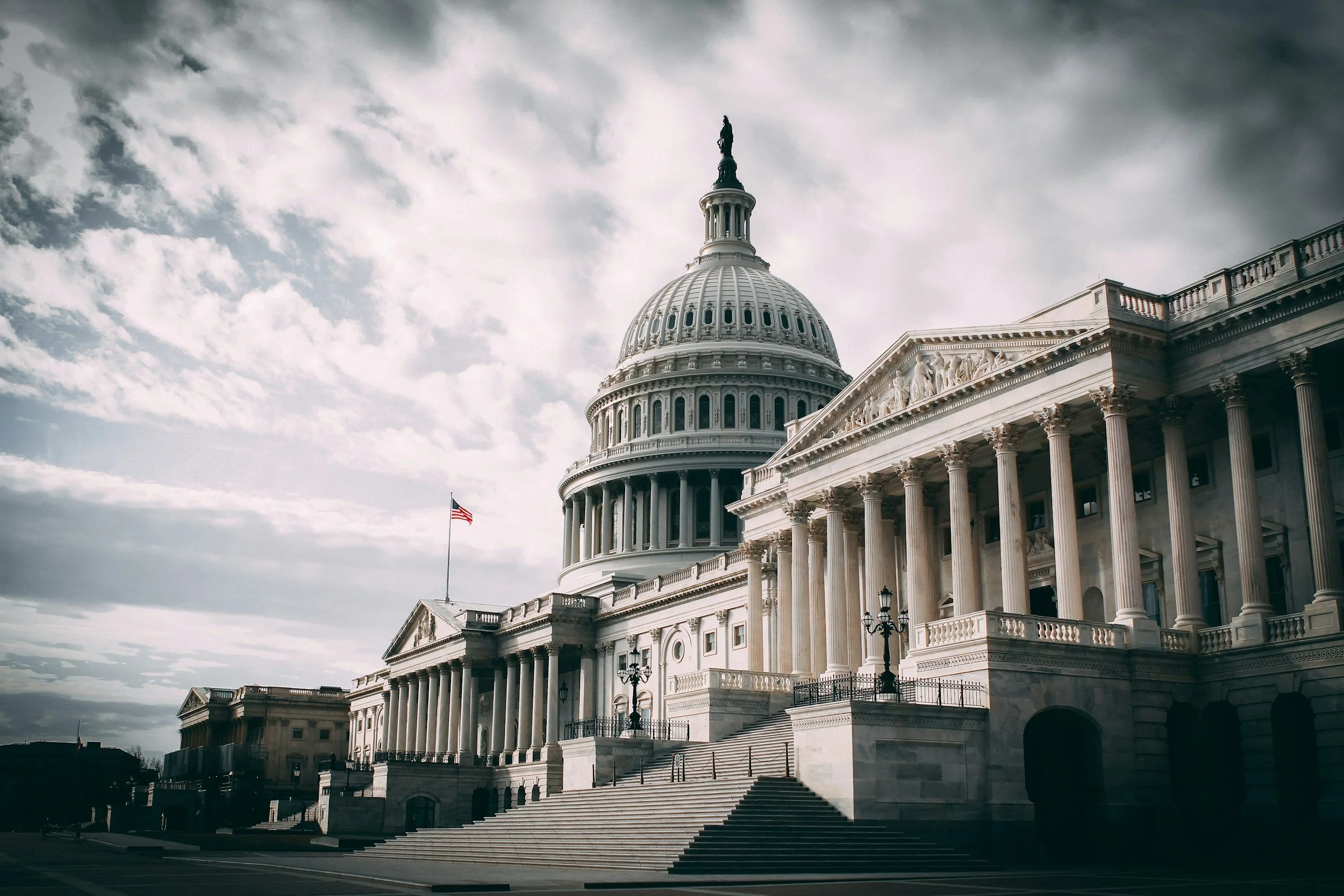
H.R. 5100 does one thing, but it matters. It reauthorizes SBIR and STTR for one more year, preventing a 2025 shutdown that would have halted new awards and stalled federal research work.
The bill does not rewrite the programs. It does not change how the funding works. It does not add new requirements. It simply keeps SBIR/STTR running while Congress debates longer-term reforms.
Without this extension, federal agencies could not release new solicitations. Labs would lose small-business partners. Startups would lose early capital that supports proof-of-concept testing and prototype development. Innovation would slow.
The House passed the bill and sent it to the Senate. It now sits in the Committee on Small Business and Entrepreneurship.
Why These Programs Matter
SBIR and STTR are two of the most reliable sources of early-stage, non-dilutive funding for technology development. They help small companies turn research ideas into real products. Agencies like the Department of Defense, NASA, NIH, USDA, and others use these programs to tap the creativity of small firms that can move faster than large contractors.
Unlike loans, SBIR and STTR awards do not require repayment. They help pay for research staff, lab work, software, prototyping, and key milestones that investors often hesitate to fund.
Many major technology breakthroughs, including medical devices, advanced materials, cybersecurity tools, and aerospace components, began in these programs. A lapse in authorization would have created a gap that small businesses cannot afford.
Why the Extension Matters for Texas
Texas is one of the fastest-growing innovation states in the country. Our cybersecurity, bioscience, defense, energy, and advanced manufacturing sectors rely on strong federal R&D partnerships. Emerging companies in San Antonio, Austin, Houston, and Dallas depend on early-stage funding to prove their ideas and grow.
SBIR/STTR funding keeps many of these firms alive long enough to reach the market.
A one-year extension is not a long runway. But it is enough to keep the pipeline moving while Congress negotiates long-term changes.
For small firms in San Antonio, especially those tied to military research, digital security, health innovation, or advanced technology, this stability matters.
What Founders Should Pay Attention To
The extension through 2026 means small businesses can still:
apply for Phase I and Phase II awards
partner with research institutions through STTR
participate in agency challenges and innovation calls
continue work already funded under multi-year contracts
But the uncertainty is not gone. A one-year extension means another round of debate is coming. That gives founders a short window to prepare.
Companies that want to pursue SBIR/STTR funding should:
track agency solicitations closely
build relationships with program officers
strengthen internal systems for compliance and reporting
understand commercialization requirements early
The firms that prepare now will move ahead when the next opportunities open.
What This Signals for the Future
Congress is not debating whether SBIR and STTR matter. The debate is about how to modernize them. Some lawmakers want more oversight. Others want broader access. Some want new commercialization rules. Others want stronger national-security screening.
H.R. 5100 buys time.
It keeps the innovation engine running while Congress sorts out competing ideas for reform. For small businesses, that means two things. The opportunity remains open, but change is coming. Companies that track federal policy will be in the best position to respond.
If you want support navigating SBIR/STTR opportunities, understanding compliance requirements, or preparing your research-driven small business for federal funding, Emerge and Rise can help through our Technical Assistance Program and our vetted partners. We guide founders through proposal planning, capability building, and operational readiness.

Your donations make our work possible.
When you give to Impact, you provide resources that transform the community.
Keep Reading