New SBA Trade Loans Signal Growth Shift
The U.S. Small Business Administration is expanding how small businesses access capital for growth, especially in manufacturing, supply chains, and international trade. A recent policy update to the 7(a) International Trade Loan program introduces changes that go beyond financing. It signals a shift in how small businesses are expected to compete in the coming years.
For business owners, the opportunity is not just funding. It is positioning.
What Changed in the SBA International Trade Loan Program
The SBA’s updated guidance expands the scope of what qualifies under the International Trade Loan program. Traditionally, these loans were tied directly to export activity. Businesses had to show they were entering or expanding into international markets.
That definition is now broader.
According to the SBA policy update, businesses can qualify if they are impacted by global competition, supply chain shifts, or the need to bring production back into the United States. This includes companies investing in domestic manufacturing, upgrading facilities, or improving operational capacity to remain competitive in a global market.
This change reflects a larger economic direction. Trade is no longer just about exporting. It is about resilience, production, and control over supply chains.
Why This Matters for Small Businesses
For years, access to capital has been one of the biggest barriers to growth for small and midsize businesses. Traditional lending often requires strong collateral, long operating history, and stable cash flow. Many businesses that are ready to grow do not meet those requirements.
The updated International Trade Loan program begins to close that gap.
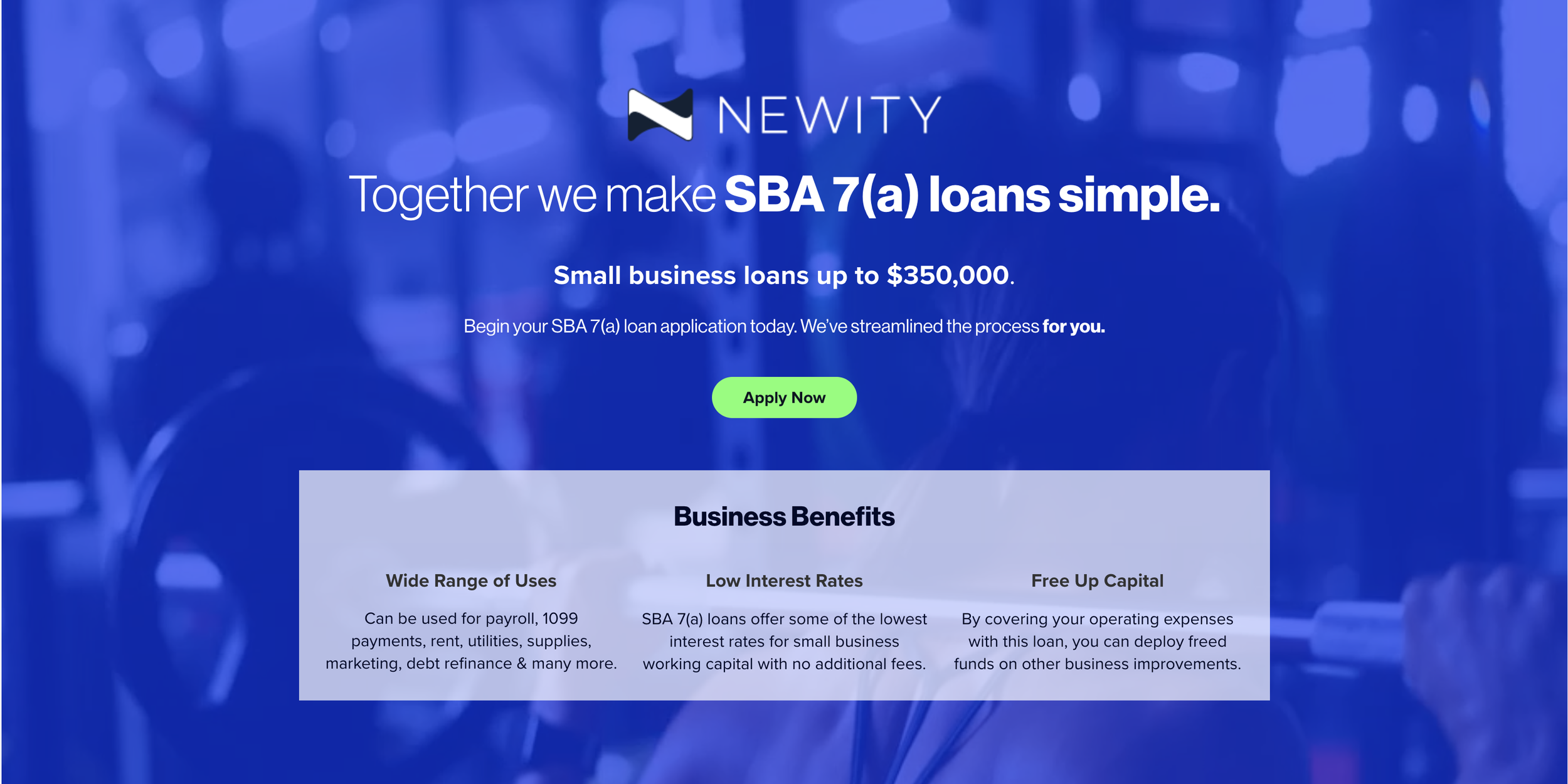
NEWITY highlights that these loans can now support businesses that are adapting to global pressure, not just those actively exporting. This includes companies investing in equipment, expanding facilities, or shifting operations to stay competitive.
The shift creates more entry points for businesses that are growing but need support to scale.
Manufacturing, Supply Chains, and “Made in America”
One of the most important elements of the update is its alignment with domestic production. The SBA is placing greater emphasis on businesses that contribute to U.S.-based manufacturing and supply chain stability.
This includes:
companies bringing production back to the U.S.
businesses upgrading machinery or technology
firms expanding local capacity to reduce reliance on imports
These investments are not limited to large manufacturers. Small businesses play a key role in supply chains, often serving as vendors, subcontractors, or specialized service providers.
The message is clear. Growth is tied to production, not just distribution.
Financing Is Becoming Strategic, Not Just Operational
The role of financing is changing. It is no longer just about covering expenses or smoothing cash flow. It is becoming a strategic tool that allows businesses to reposition themselves in a changing economy.
Loans like the International Trade Loan program can be used to:
expand facilities
purchase equipment
invest in technology
support workforce growth
enter new markets
These are decisions that shape long-term direction, not short-term survival. Businesses that understand this shift will use capital differently. They will invest with intent, not just necessity.
What Businesses Should Be Thinking About Right Now
The policy change does not require every business to expand internationally. But it does require business owners to think more broadly about their position in the market.
Questions worth asking:
How exposed is the business to global supply chain disruptions?
Is there an opportunity to produce or source more locally?
Are there capacity limits preventing growth?
Is the business positioned to compete if demand increases?
The businesses that benefit most from these programs are not reacting. They are planning.
Why Partnerships Matter More Than Ever
Accessing programs like SBA-backed loans can be complex. Requirements, documentation, and eligibility criteria often create friction for business owners who are already managing day-to-day operations. This is where partnerships become critical. NEWITY, as a partner, helps bridge that gap by working directly with small businesses to navigate funding options, understand eligibility, and structure financing in a way that aligns with growth goals. Programs do not create impact on their own. Access does.
The Bigger Picture: A Shift Toward Resilient Growth
The SBA’s update reflects a broader trend in the U.S. economy. Growth is being redefined around resilience, production capacity, and adaptability. Small businesses are central to that shift. They are not just participants in the economy. They are builders of it. Access to capital, when aligned with strategy, allows those businesses to move from operating to scaling.
Exploring Growth Through Strategic Financing
If your business is considering expansion, upgrading operations, or entering new markets, understanding available funding options is a critical first step. Through our partnership with NEWITY, Emerge and Rise can help connect you to SBA-backed financing and guide you through what these programs mean for your business. Start the conversation with us.

Your donations make our work possible.
When you give to Impact, you provide resources that transform the community.
Keep Reading