San Antonio and Mexico Trade Alignment
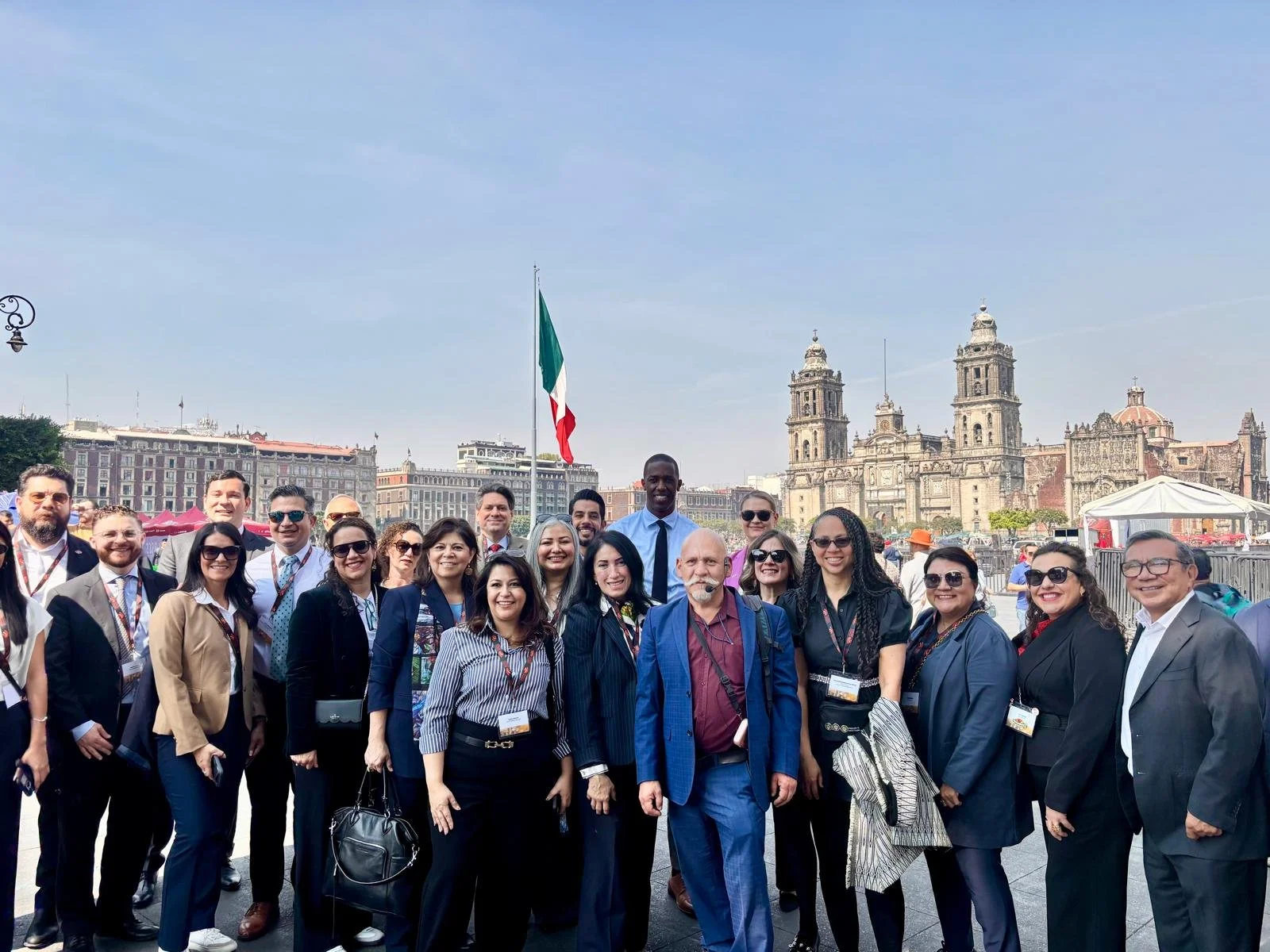
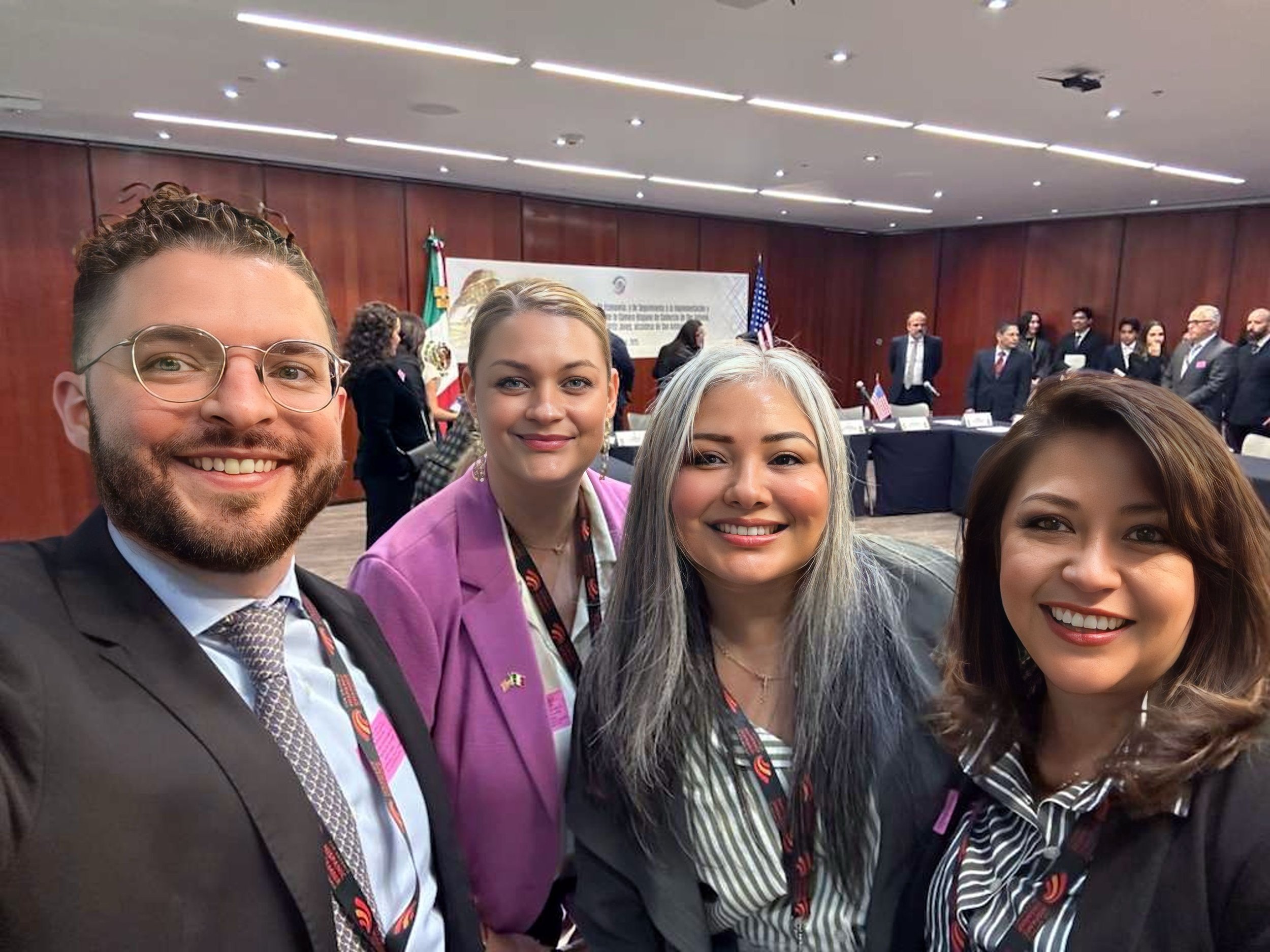
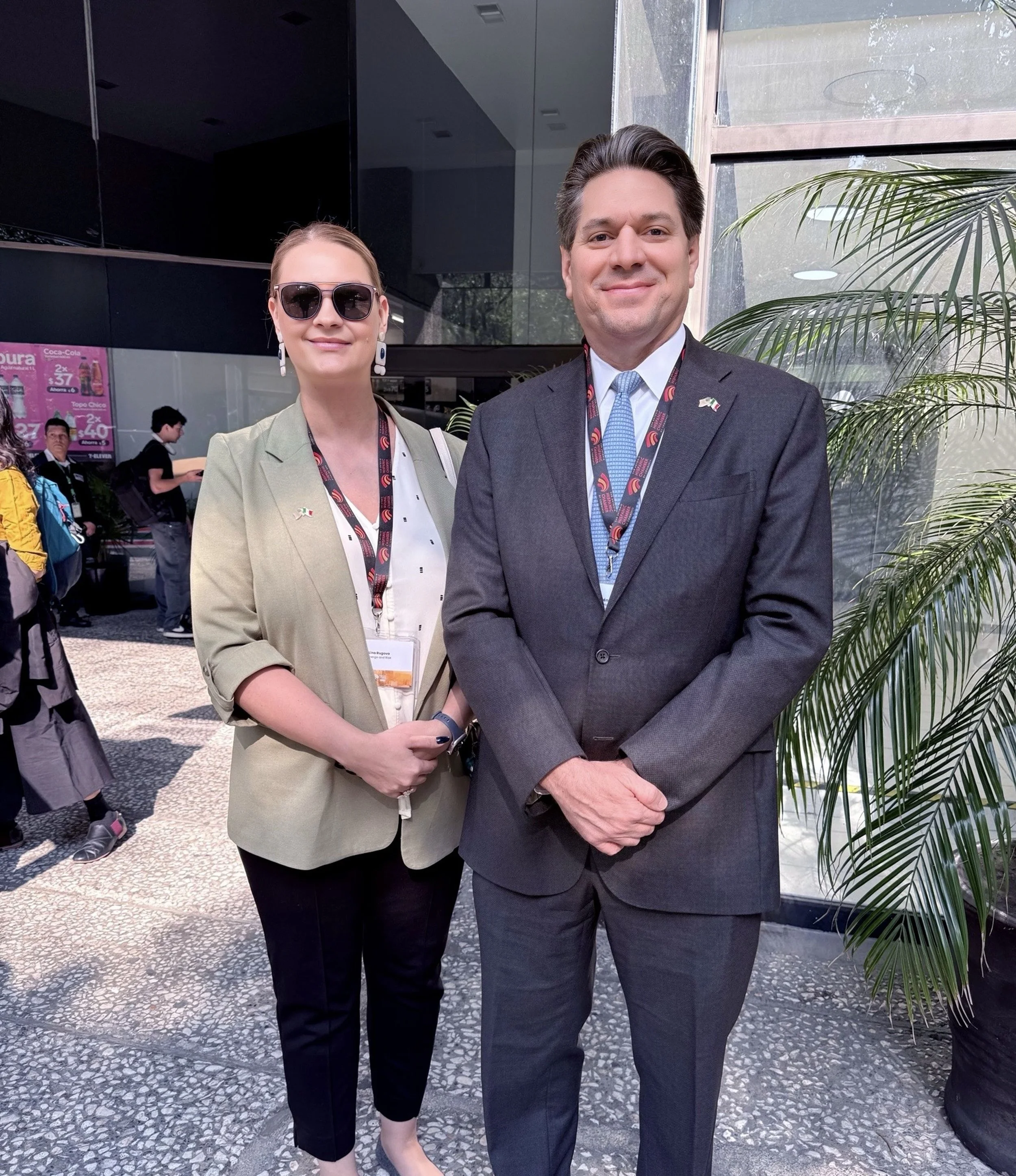
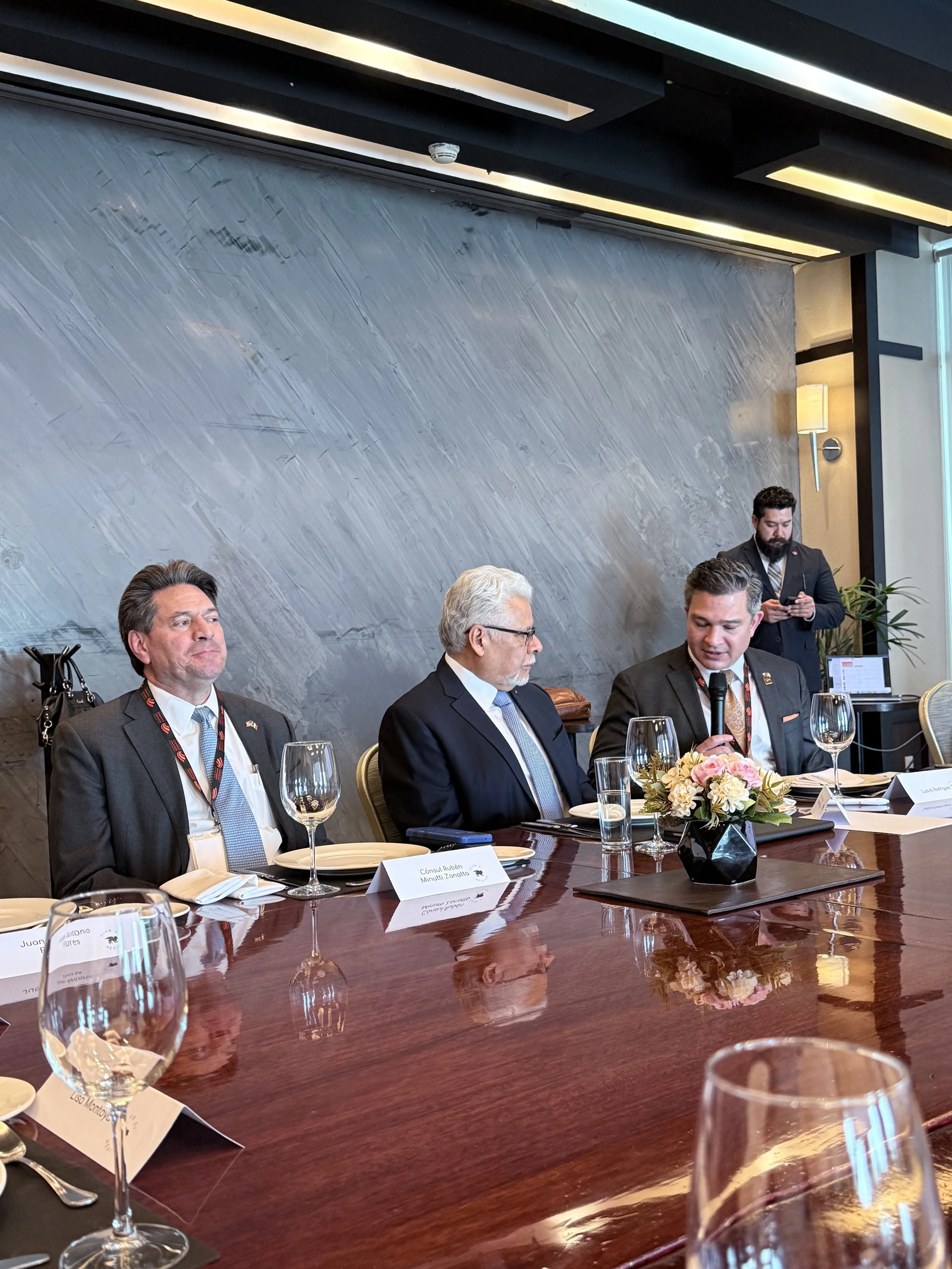
The San Antonio Hispanic Chamber of Commerce organized a strategic delegation to Mexico City in early December. Mayor Gina Ortiz Jones led the group. It was not a symbolic visit. It was a working trip designed to understand what trade uncertainty means for Texas and what local small and midsize businesses should expect next.
The timing matters. The 2026 USMCA (T-MEC) review sits on the horizon. Nearshoring continues to reshape supply chains. Tariff volatility has increased. Mexico is now the top trading partner for the United States, and Texas sits at the center of that relationship. Texas exported roughly $400 billion of goods in 2023 and shipped more to Mexico than to any other state in the country. 
For San Antonio’s SMEs, the delegation offered something rare. Access to the institutions that shape cross-border policy.
A briefing that set the tone
The first major stop was the United States Embassy in Mexico City. The embassy team walked through trade risks, the current tariff climate, and the operational realities for American firms doing business in Mexico. According to the delegation guide, the briefing outlined how any USMCA changes could influence market access, logistics, and regulatory timelines for U.S. companies operating or sourcing in Mexico. 
They also highlighted several internal challenges shaping Mexico’s business environment. Corruption and extortion continue to affect supply chains, permitting, and cost predictability. Many sectors still operate with limited digitization, which slows processes that depend on real-time data. Energy and communication gaps add another layer of complexity for firms operating across multiple states or relying on advanced manufacturing systems.
Yet these challenges have created clear openings. Mexico is actively seeking deeper collaboration with industries that can modernize its economy. The embassy team noted strong federal and private sector interest in aerospace, advanced manufacturing, new energy systems, cybersecurity, and next-generation technologies. These are the same sectors driving San Antonio’s growth. The overlap is not accidental. It reflects a North American market that is increasingly integrated, where cities like San Antonio can serve as natural hubs for companies working across both countries.
For regional SMEs, the message was simple. The demand for innovation is rising on both sides of the border. Companies that can navigate regulatory complexity and deliver modern solutions will have an advantage as North American supply chains continue to realign.
Understanding Mexico’s private-sector priorities
The delegation next met with COMCE, Mexico’s leading private-sector council for foreign trade, investment, and technology. It is one of the most influential bodies in the country for export development. The discussion centered on nearshoring, technology transfer, and how Mexico plans to position itself as costs rise in Asia. COMCE stressed that the future of North American competitiveness depends on tighter supply chain alignment, not separation.
COMCE’s leadership also noted structural trends. Manufacturing accounts for nearly 90% of Mexico’s exports. Agriculture has moved ahead of oil for the first time in decades. The United States absorbs more than 80% of Mexico’s exports.
For Texas, this translates into a simple insight. The region is deeply integrated already. The question is how to use that advantage rather than lose it.
AmCham and the value of co-production
The meeting with AmCham Mexico made the economic interdependence even clearer. Their data shows that U.S. goods imported from Mexico contain an average of 13% U.S. domestic value added. Imports from China contain only 1.4%. Mexico and the United States do not just trade. They co-produce.
In 2023, Mexico became the United States’ top trading partner. The shift came partly from supply chain diversification away from Asia. AmCham expects this trend to accelerate as companies search for cost stability, shorter shipping distances, and a worker base aligned with U.S. standards.
For San Antonio businesses, this is an opportunity. Texas logistics infrastructure, including major trade corridors and inland ports, now handles growing flows of components, food products, aircraft parts, and energy goods moving between the two countries. Nearshoring is not abstract. It touches contractors, construction firms, packaging companies, cybersecurity firms, and service providers across San Antonio.
Thirteen senators and a conversation that mattered
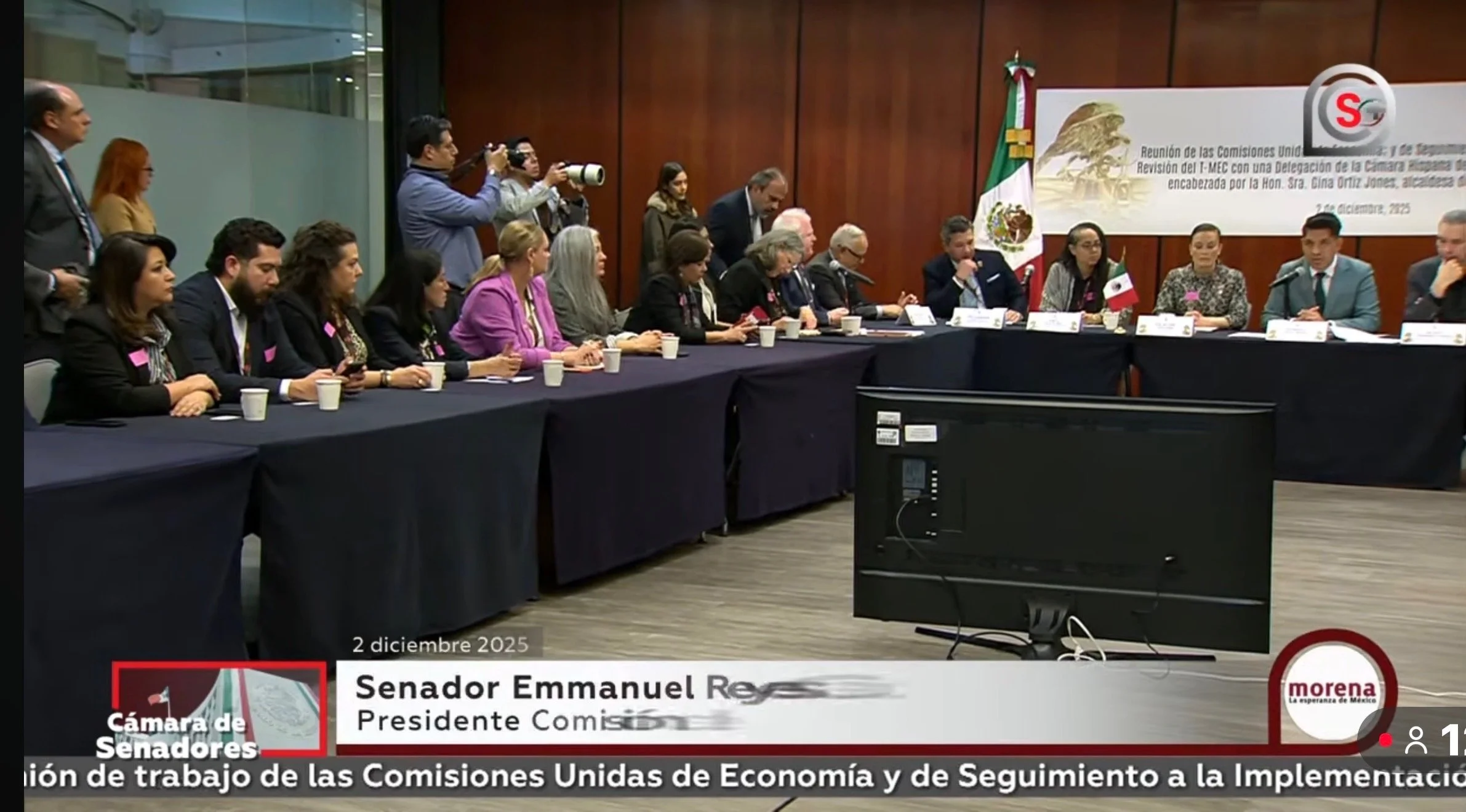
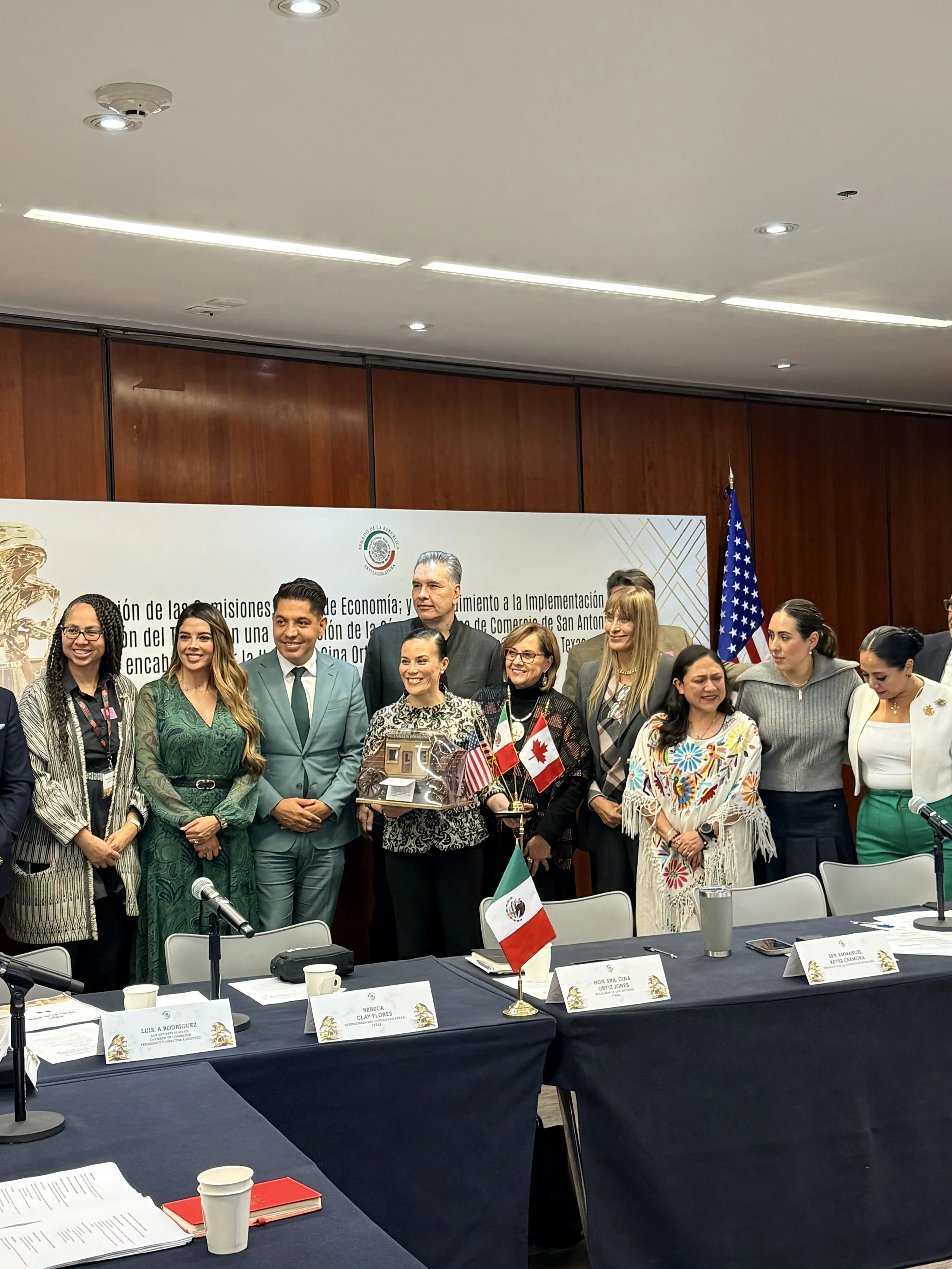
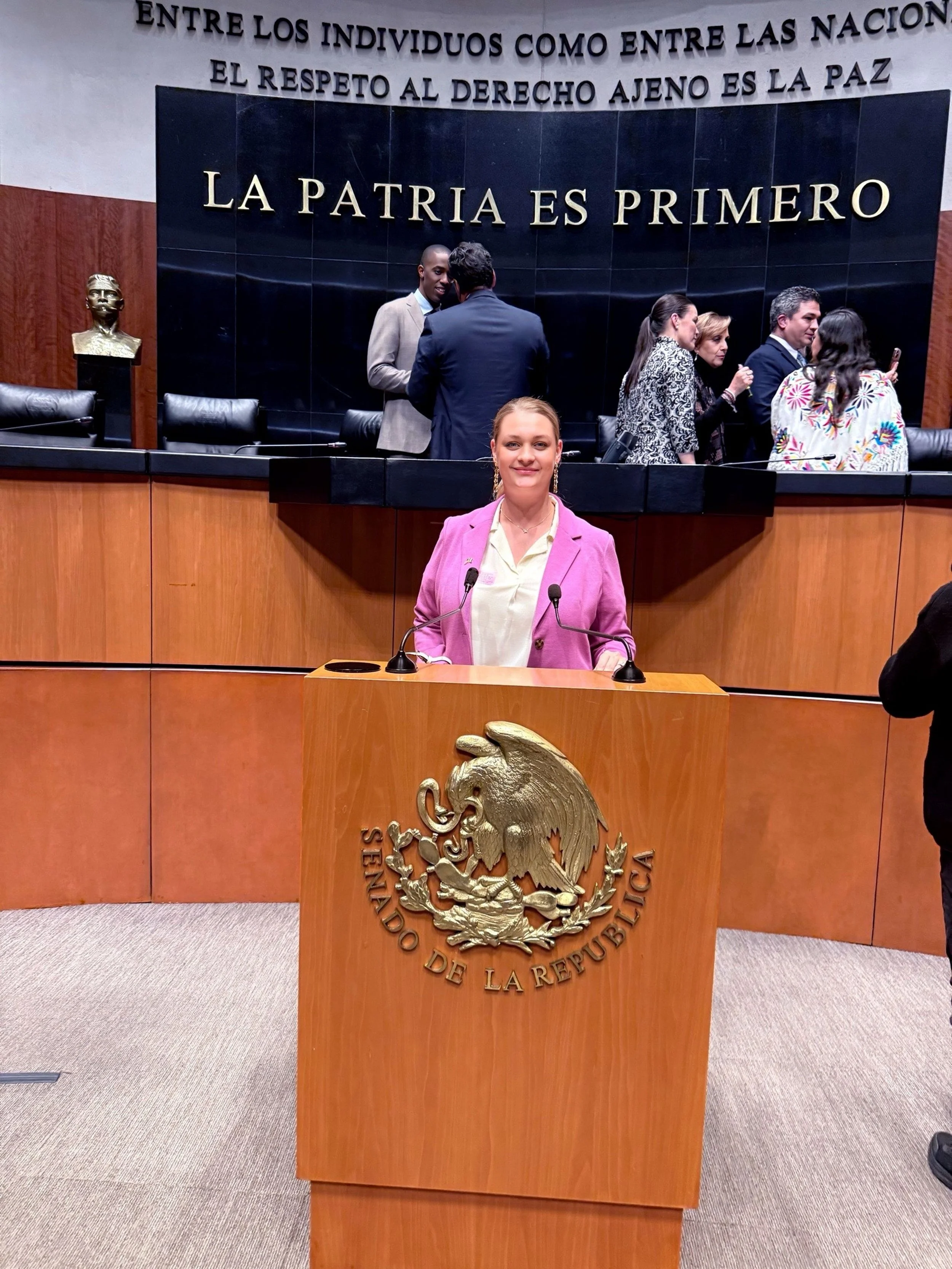
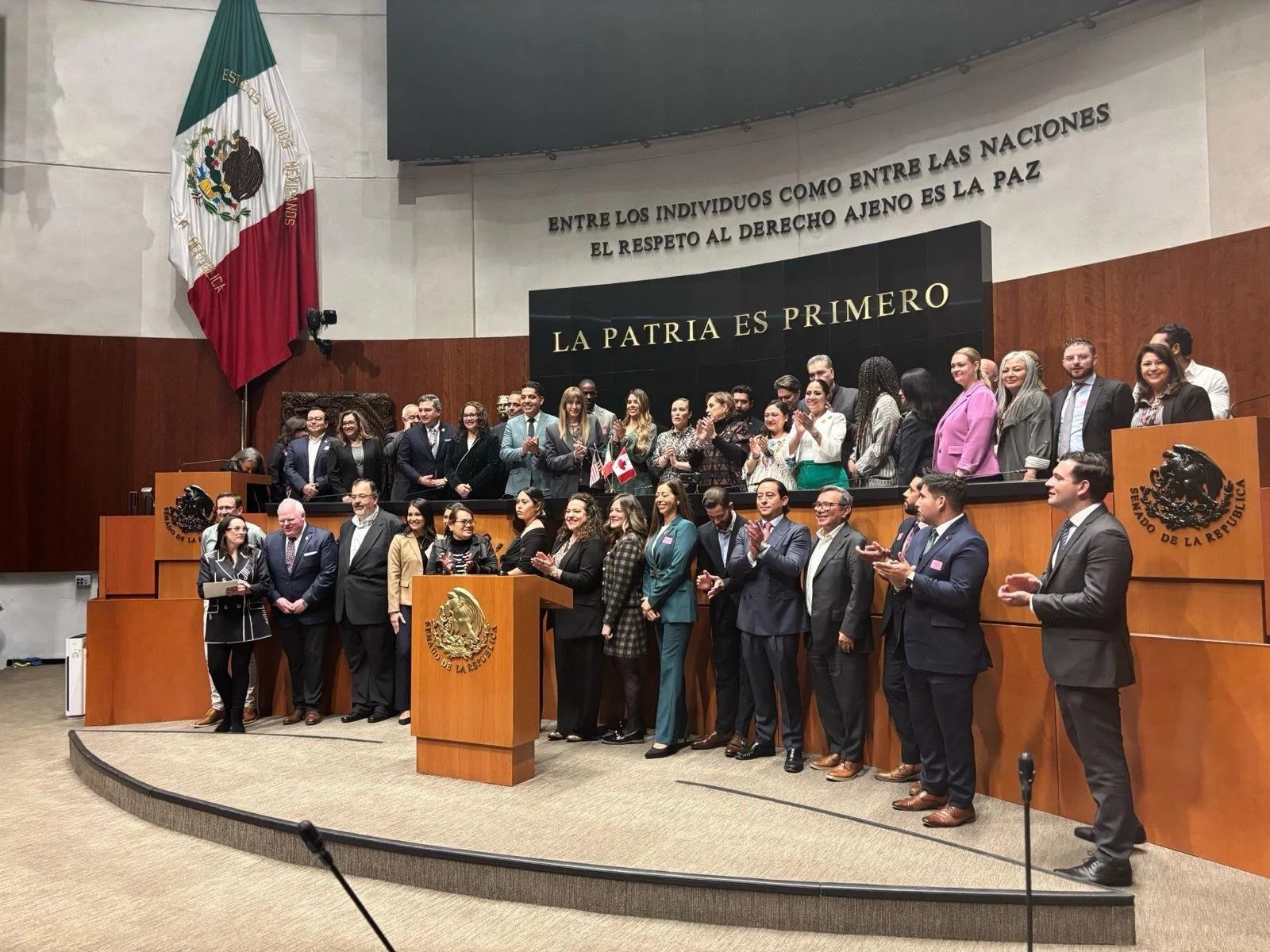
The most consequential meeting took place inside the Mexican Senate with thirteen senators from the Comisión de Economía. It was a direct exchange about tariffs, trade exposure, migration pressures, and the political realities shaping the 2026 USMCA review.
Tariff volatility has already been a blow to Mexico’s economic planning. Analysts at the Baker Institute note that rapid policy swings and short-notice tariff actions have disrupted investment decisions and supply chains, especially in manufacturing. Businesses have faced unpredictable costs, slower capital deployment, and uneven demand from U.S. buyers as companies waited for policy clarity. These impacts mirror what Texas firms have felt when trying to forecast cost structures tied to cross-border trade.
The senators also acknowledged that U.S. immigration policy is now directly linked to trade outcomes. Congressional research shows that the United States has increasingly tied migration negotiations to trade discussions as a way to manage border flows and cooperate on migrant protection. This link between immigration and economic policy shapes negotiations in ways that fall far outside the traditional scope of trade agreements. It also places new pressure on both governments to coordinate policy across security, labor, and supply chain issues at the same time.
President Claudia Sheinbaum’s approach to these challenges came up throughout the discussion. Senators emphasized that her administration has positioned itself as transparent, data-driven, and partnership-focused. They highlighted her public commitment to maintaining economic stability and strengthening Mexico’s role within North America’s supply chain. Under her leadership, Mexico recorded a reported reduction of 13.5 million people living in poverty over the last decade, with gains linked to targeted social programs, wage increases, and broader economic participation. This performance shapes Mexico’s posture in trade negotiations because a stronger domestic base gives the government more room to negotiate from stability rather than crisis.
Taken together, the meeting illustrated the complexity of today’s U.S.–Mexico relationship. Tariff shocks, immigration tensions, and industrial policy shifts all converge in the lead-up to the USMCA review. Yet the senators underscored a consistent point. Mexico wants deeper cooperation with Texas. And Texas, with its trade corridors and manufacturing base, stands to gain the most from steady rules and predictable cross-border alignment.
Ports and the infrastructure behind the trade boom
Texas ports handle enormous volumes of goods tied to the U.S.–Mexico corridor. The state’s seaports support more than three million jobs and serve as gateways for energy, automotive parts, machinery, agriculture, and manufactured goods. The Texas Comptroller notes that ports like Houston, Corpus Christi, and Brownsville link directly to Mexican supply chains in steel, petroleum products, plastics, and food processing.
Rail and trucking flows continue to rise along the I-35 corridor. Laredo remains the busiest port of entry in the United States, surpassing over $280 billion in trade last year. For San Antonio, this proximity makes the city a central node in the region’s logistics ecosystem.
These infrastructure realities formed the backdrop to every meeting on the trip. Texas and Mexico share manufacturing lines, not just borders.
What this means for San Antonio’s SMEs
Small and midsize firms often lack the resources to track policy shifts or renegotiate supply chains. Yet they face the greatest exposure.
Three takeaways stand out.
Trade predictability is a competitive advantage
When tariffs move with political cycles, the smallest firms pay the highest cost. Understanding the USMCA review timeline is now essential.
Regional partnerships matter
Meetings with federal officials, trade bodies, and senators showed strong interest in deeper ties with Texas. San Antonio can benefit if it continues to build these relationships.
SMEs must prepare for value chain transparency
Rules of origin will tighten. Firms that map inputs and align with USMCA requirements will compete better than those that wait.
A delegation about the future, not the past
The San Antonio delegation returned with a clearer view of where North American trade is heading. It is shifting toward regional integration, value-added trade, and collaborative manufacturing. Mexican policies, U.S. tariff decisions, and supply chain adjustments will shape the environment that San Antonio businesses must navigate.
Emerge and Rise joined the trip for one reason. Small and midsize business owners deserve access to the same information that large corporations already use to plan their future. This delegation delivered that access.











Take the next step with us
Mexican companies interested in entering the United States can explore our International Soft Landing Program, built to support a smooth transition into the San Antonio market. For San Antonio companies looking to expand or do business in Mexico, we can connect you with our trusted partners and advisors across the country. Emerge and Rise is here to help both sides move forward with clarity and local support.

Your donations make our work possible.
When you give to Impact, you provide resources that transform the community.
Keep Reading