
creative economy
← AREAS OF WORK · CREATIVE ECONOMY
A creative city that hasn't fully tapped its creative economy
San Antonio is one of the few UNESCO Creative Cities in the country. The economic argument for what that designation represents is still catching up.
What it is
The creative economy is the economic activity built around design, media, music, architecture, performing arts, visual arts, advertising, fashion, film, gaming, and food culture. It is what happens when creativity is treated as an industry that produces jobs, exports, and small business growth, not just as cultural expression. The same skills that make a city interesting also make it productive, but only when the connection between the two is built on purpose.
San Antonio earned a UNESCO Creative City of Gastronomy designation in 2017, one of fewer than 50 cities globally to hold a UNESCO creative designation at the time. That recognition is real. What the city has been slower to do is treat the broader creative economy, including food, design, performing arts, and the independent creator workforce, as an economic strategy in the same way it treats aerospace or the biomedical industry.
San Antonio's creative industry generated $5.18 billion in economic output in 2023, exceeding pre-pandemic levels, and directly employed 20,845 people across design, advertising, performing arts, museums, film, and related fields. Nationally, artists are 3.5 times more likely than the overall workforce to be self-employed, which makes the creative economy unusually concentrated in small businesses and independent operators.
What separates a creative economy from cultural promotion is whether the work generates lasting income for the people doing it. A festival is not a creative economy. A network of working studios, manufacturers, freelancers, and venues that can sustain creative careers over time is.
-
What it is
Working studios, venues, and cultural institutions that pay creative workers
Independent designers, photographers, writers, and makers building businesses
Food and culinary entrepreneurship rooted in local traditions
Fashion, film, and media production that exports locally made work
Cultural districts where creative business and community life overlap
-
What it could be
Latinx-owned design and creative firms scaling beyond San Antonio
A working fashion manufacturing base anchored to the region
A food economy that turns UNESCO recognition into export and incubation
Music and film production studios that retain creative talent locally
Affordable studio and maker space across more of the city
-
What it is not
Tourism marketing or downtown branding alone
One-off festivals without year-round creative infrastructure
Treating artists as volunteers or as a public-good expense
Public art commissions as a stand-in for an economic strategy
Cultural identity used as flavor without economic backing for the people producing it


IN SAN ANTONIO
What it looks like here
These are two San Antonio organizations treating creative work as economic infrastructure, not as a side conversation. One builds the network around independent creators. The other is building Texas into a recognized fashion industry hub.
In practice
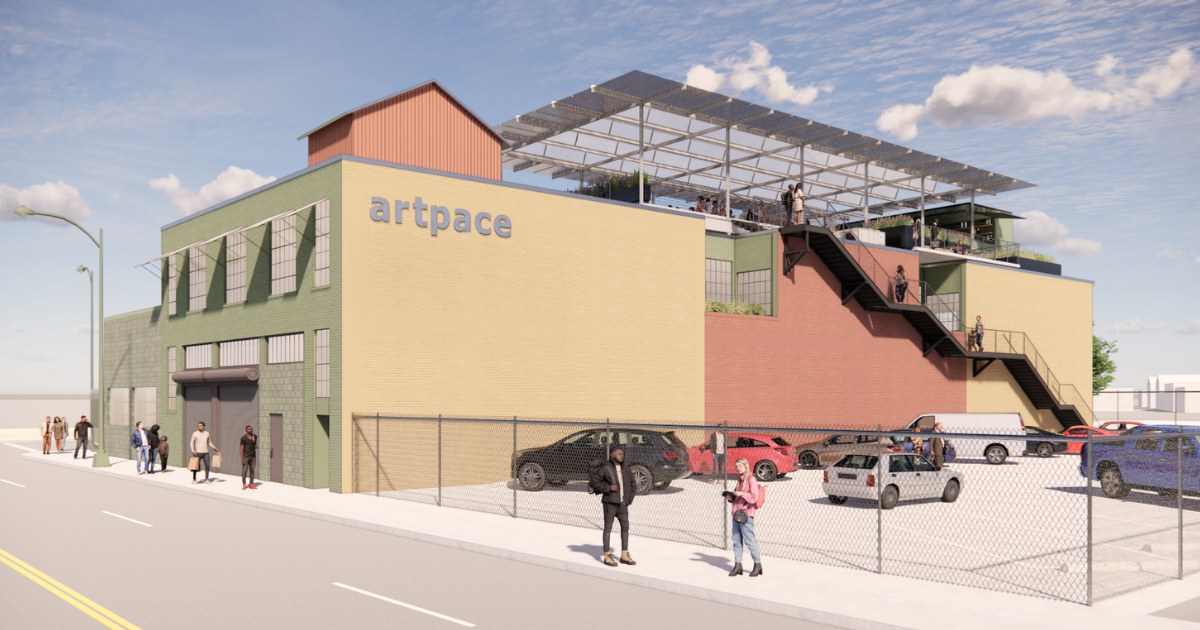
Photo courtesy of Artspace
Artspace
Founded by Linda Pace in 1995, Artpace runs an international artist residency program that brings three artists, one Texas, one national, one international, to live and create work in San Antonio twice each year. Free and open to the public, downtown, with three decades of practice behind it. What Artpace does for the creative economy is upstream of business: it positions San Antonio inside the global conversation about contemporary art, attracts national and international talent, and gives local artists a reason to stay. That kind of anchor institution is what lets a creative sector mature into one that supports careers.
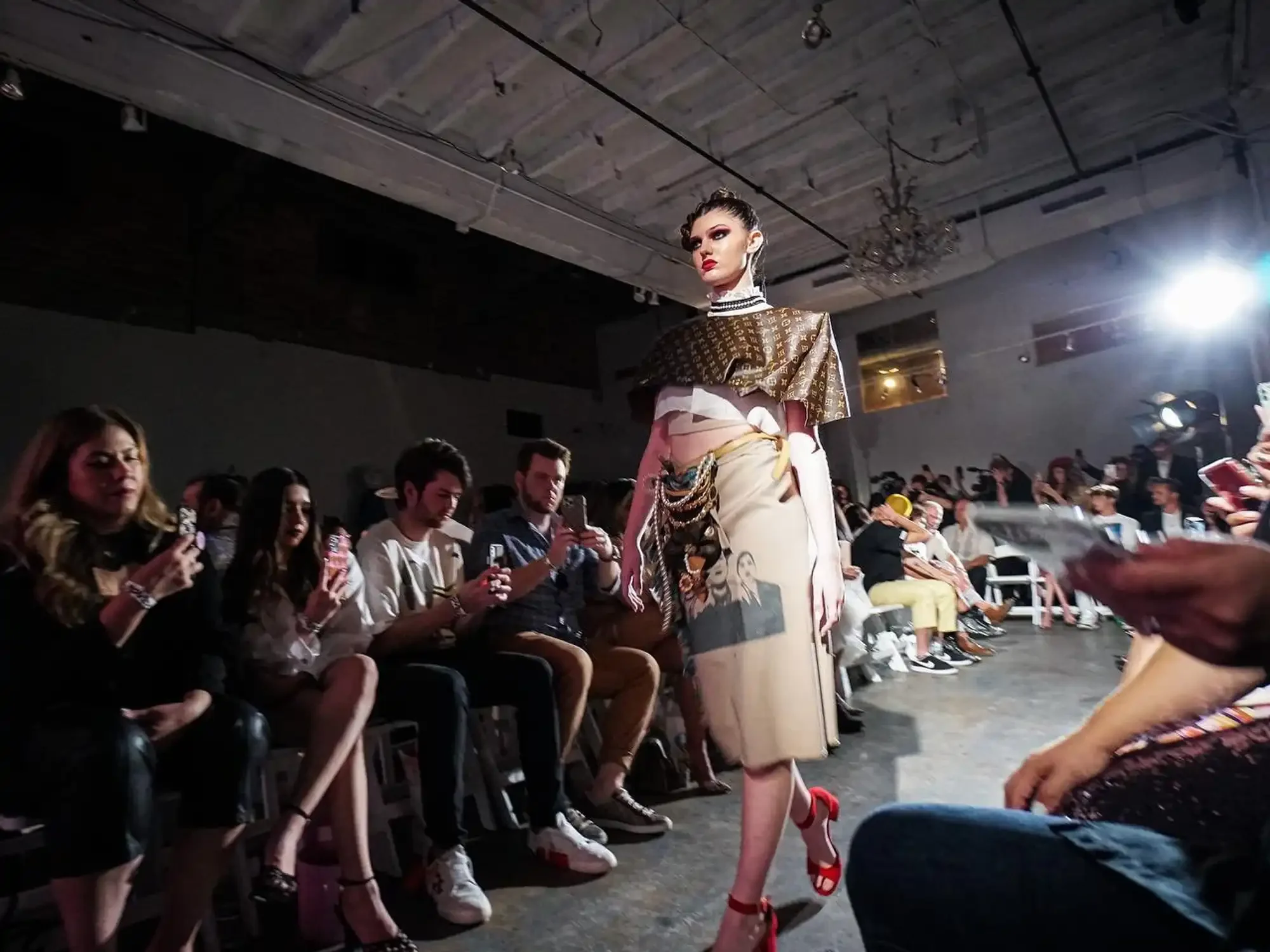
Photo courtesy of Texas Fashion Week/ Facebook
Texas Fashion Industry Initiative
A statewide effort to build fashion as an actual industry in Texas, with design, production, manufacturing, and retail anchored to the state rather than outsourced elsewhere. TFII also runs Texas Fashion Week, held annually in San Antonio and serving as the state's official fashion event. The 2023 edition drew enough national attention that Forbes described it as positioning San Antonio as an emerging North American fashion hub. It is what it looks like when a creative sector gets treated as economic infrastructure, not just culture.
Where San Antonio stands
The numbers say the creative economy is already a major part of how this city makes money. The 2023 economic impact study from the City's Department of Arts & Culture, conducted by economist Dr. Steve Nivin, found that the creative industry contributes more to San Antonio's economy than many of the sectors that get most of the development attention. The culinary industry alone, studied separately, generated more than $1.4 billion in 2022. These are not small numbers.
The gap is in how the city plans around them. Creative work tends to be treated as part of tourism, branding, or quality of life, rather than as an industry to invest in directly. That framing shapes who gets funded, what gets built, and which sectors get long-term attention. A city that recognizes its creative workforce as an industry, not as decoration, makes different choices about studio space, manufacturing, exports, and the small businesses that hold the whole thing together.
San Antonio has the cultural depth, the talent, the food and design traditions, and now the data to back it up. What is missing in many places is the structural shift that treats creative work as economic strategy rather than cultural courtesy.
Building something in the creative economy?
〰️
Building something in the creative economy? 〰️
Whether you are a designer, food entrepreneur, fashion maker, studio owner, or independent creator trying to scale your work, the creative economy is where small businesses get treated as the economic actors they are. This is the kind of work we know how to support.



Empower Dreams: Join Us in Building Business Futures
Every donation fuels the journey of aspiring entrepreneurs in our community. Your support enables Emerge and Rise to provide essential resources, mentorship, and training to those who need it most. Together, we can transform potential into success. Invest in a brighter future today—every contribution makes a difference!