
Circular and Regenerative economy
← AREAS OF WORK · CIRCULAR & REGENERATIVE ECONOMY
Designing waste out of how a city works
In Texas, the things we throw away are worth more than the petroleum industry. The question is who captures that value and where it goes.
What it is
The circular economy is built on a simple shift: stop treating materials as something to use once and discard. In a circular model, products are designed to be repaired, reused, shared, and remade. Waste becomes the input for the next thing instead of a cost the city pays to bury. Businesses that operate this way close the loop on their own supply chains, and along the way, they often build more durable margins, because they are not paying full price for new raw material every cycle.
Regenerative economy goes further. It does not just close the loop on materials, it actively restores the systems a business depends on. That means soil that grows healthier rather than depleting, water systems that get cleaner, neighborhoods that build wealth rather than lose it, and supply chains that strengthen rather than extract from the communities they touch. The shift from circular to regenerative is the shift from doing less harm to doing measurable good.
The recycling of municipal solid waste alone contributed more than $4.8 billion to the Texas economy in 2019, putting it on par with the petroleum and furniture industries. Austin's circular economy program generates over $1 billion in local economic activity and 6,300 jobs. Both are evidence that circular work is not a sustainability side conversation. It is industry, employment, and growth that any city can build around.
What separates circular and regenerative work from ordinary recycling is intent and scale. A bin in the corner of an office is not a circular economy. A network of businesses, repair shops, reuse markets, manufacturers, and community programs designed to keep value in the local economy, that is.
-
What it is
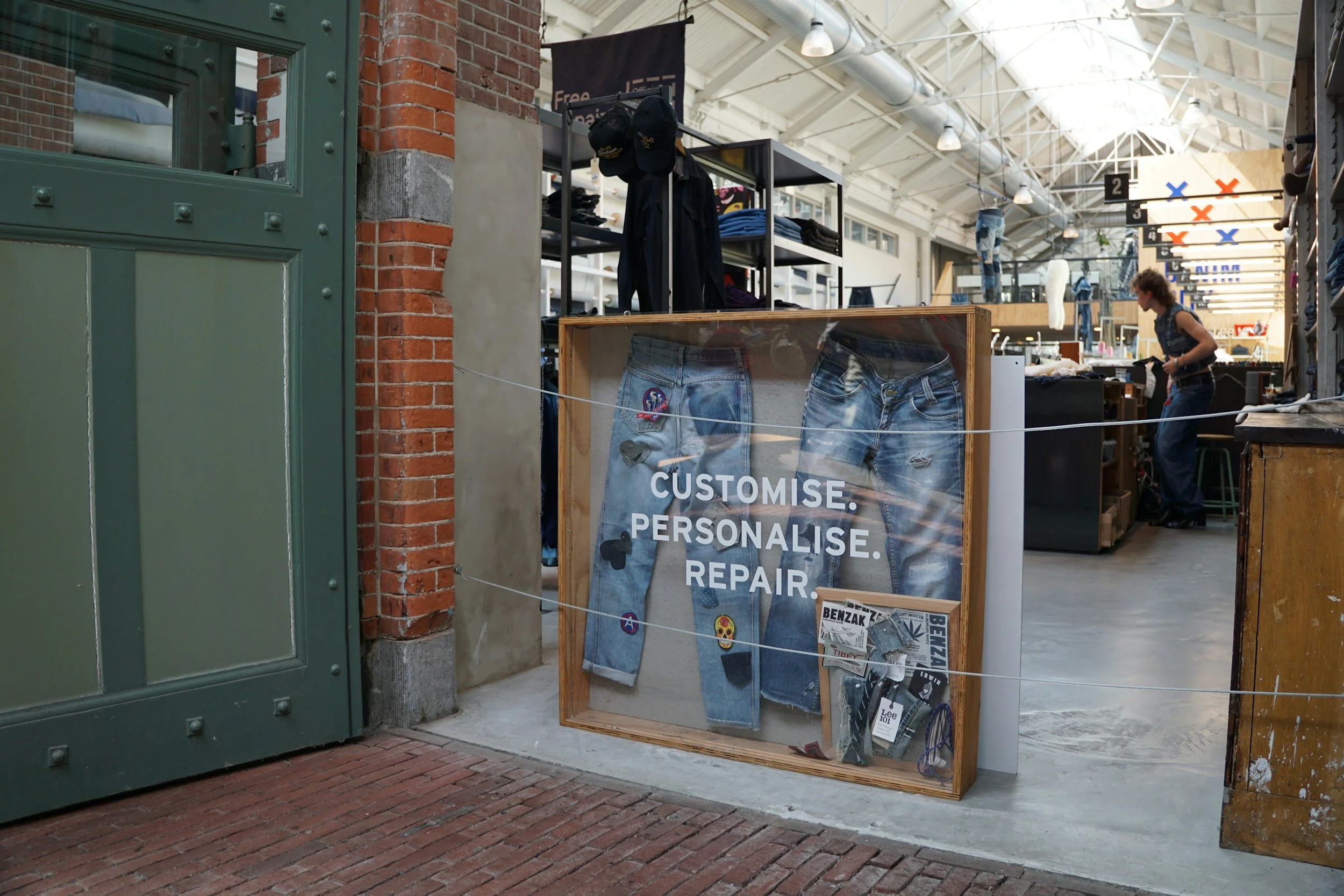
Repair, reuse, and refill businesses keeping products in circulation
Manufacturers using recovered materials as inputs
Food recovery and composting networks that turn waste into value
Community gardens and urban farms restoring soil and food access
Adaptive reuse of buildings rather than demolition and rebuild
-
What it could be
Construction firms running deconstruction and material recovery operations
Local manufacturing built around recovered textiles, plastics, and metals
Regional food systems that close loops between farms, restaurants, and waste
Neighborhood-scale stormwater and watershed restoration
Small businesses earning revenue from carbon, soil, and water improvements
-
What it is not
A recycling bin in the corner without a market for the materials
Greenwashing claims unbacked by supply chain changes
Carbon offset purchases used to avoid changing operations
Single-event clean-up days as a stand-in for system change
"Sustainable" labeling on products designed to be thrown away

IN SAN ANTONIO
What it looks like here
These are two San Antonio organizations doing circular and regenerative work from different angles. One is building the city's first dedicated organization for circular economy practice. The other is restoring soil, food access, and neighborhood health one garden at a time.
In practice
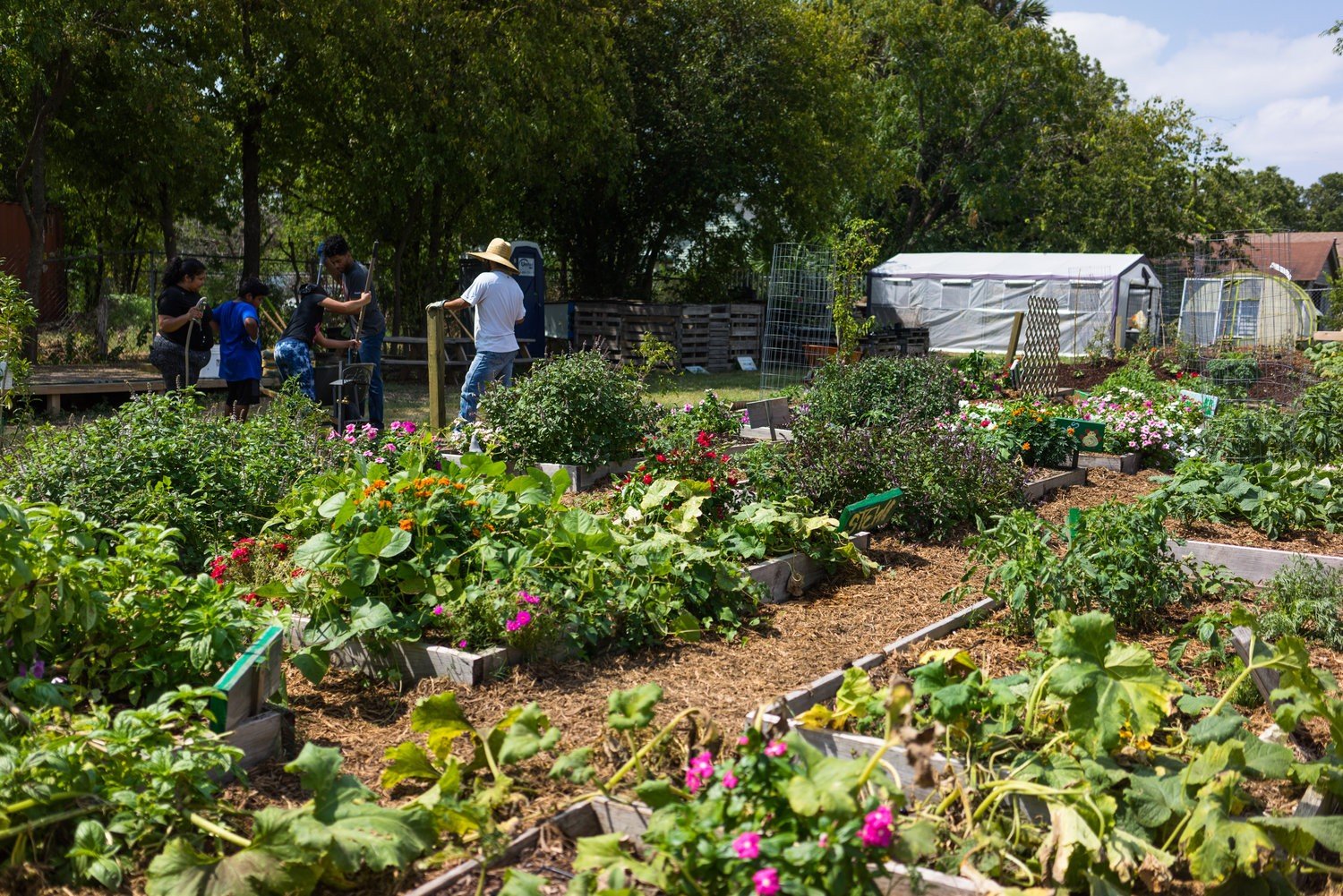
Photo courtesy of Gardopia Gardens
Gardopia Gardens
A San Antonio nonprofit running community gardens, urban agriculture, and youth education programs on the East Side. Gardopia is a regenerative economy in concrete form: restoring soil, growing food access, training the next generation of urban farmers, and building neighborhood health, all from the same set of activities. It is the kind of work that shows regenerative design does not have to be abstract. It can be a row of vegetables and a classroom of kids learning to grow them.
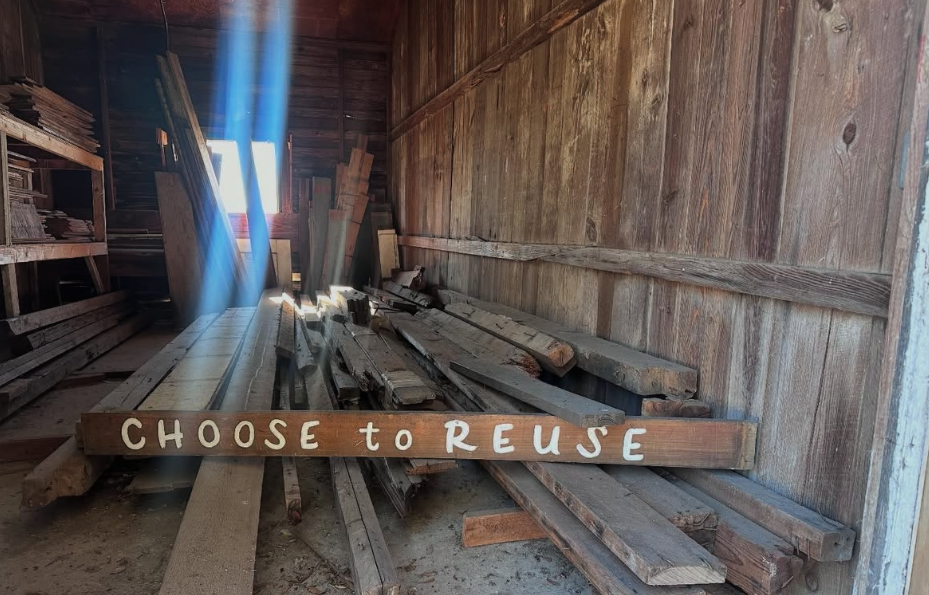
Photo courtesy of Material Innovation Center
Circular San Antonio
A San Antonio nonprofit dedicated to building the local circular economy from the ground up. Circular San Antonio works with businesses, residents, and city leaders to keep materials in use longer, divert waste from landfills, and grow the supply of reused and recovered materials available in the region. They are doing the convening, education, and pilot work that turns circular economy from a concept into a working part of how the city operates.
Where San Antonio stands
Texas has a real problem with how it handles waste. The state has good landfill capacity, but its recycling rates lag behind comparable states, contamination of recyclable material is high, and many circular practices that other regions have built into normal economic activity are still treated here as fringe or voluntary. That gap is what makes the opportunity unusually large. The infrastructure most cities have to build slowly already exists in pieces here. It just has not been organized into a functioning system.
Austin, a city about the same distance from being a circular economy pioneer as San Antonio was a decade ago, now has a city-led program generating over $1 billion in local economic activity. They started with a partnership between solid waste services and the economic development department, and built from there. San Antonio has the same raw ingredients. What it does not yet have is a coordinated effort that treats circular and regenerative work as economic strategy first and sustainability second.
That gap is where the work sits. Materials, food, water, soil, buildings, and neighborhoods are all places where this city loses value it could be keeping. Small businesses are often the ones best positioned to capture it.
Working on circular or regenerative practice?
〰️
Working on circular or regenerative practice? 〰️
Whether you are running a repair shop, building a reuse business, restoring soil, recovering food, or designing a supply chain that strengthens the place it operates in, this is the kind of work we know how to support.



Empower Dreams: Join Us in Building Business Futures
Every donation fuels the journey of aspiring entrepreneurs in our community. Your support enables Emerge and Rise to provide essential resources, mentorship, and training to those who need it most. Together, we can transform potential into success. Invest in a brighter future today—every contribution makes a difference!