

Aerospace, Defense, Bioscience
← AREAS OF WORK · AEROSPACE, DEFENSE, & BIOSCIENCE
The sectors San Antonio already leads
Most of this site is about fields the city has not fully tapped. This one is different. San Antonio is a national leader in aerospace, defense, and bioscience. The question is how more small businesses get in.
What it is
Aerospace, defense, and bioscience are three sectors that share more than people realize. They all run on long supply chains. They all depend on a trained, specialized workforce. They all sit close to federal procurement and research dollars. And in San Antonio, they share the same physical and institutional infrastructure: the military installations, the engineering firms, the research universities, and the medical institutions that have been built into this city over more than a century.
What this means for a small business is that the demand is here. Major employers like Boeing, StandardAero, Southwest Research Institute, UT Health, and Texas Biomed need parts, services, software, training, materials, and specialized labor. They cannot do it all themselves and they cannot wait. The procurement systems, certification requirements, and contracting rules are real barriers, but they are barriers that can be learned, and once a small business is inside, the work is consistent and the margins are stable in a way few other sectors offer.
Joint Base San Antonio contributes $39.1 billion to the regional economy. Port San Antonio adds another $20 billion statewide, with 19,000 workers on campus and 83,000 jobs supported across Texas. Bioscience and healthcare generate $44 billion in annual economic impact in San Antonio and account for roughly one in six local jobs. These are not abstract figures. They describe a regional economy already organized around these three sectors.
What separates these sectors from the rest of San Antonio's economy is the scale of the institutional backing. Federal contracts, defense procurement, NIH grants, and major industrial tenants are all anchored here. The next decade will determine whether more of that activity translates into local small businesses and middle-class jobs, or whether the value mostly flows through to the same large prime contractors that already dominate.
-
What it is
Aerospace maintenance, repair, and overhaul (MRO) for military and commercial fleets
Cybersecurity research, training, and contracting tied to defense work
Bioscience research, drug development, and medical device manufacturing
Specialized small businesses supplying parts, services, and software to large primes
Workforce training programs feeding skilled labor into the sectors
-
What it could be
Small business prime contractors winning federal work directly, not just as subs
Locally headquartered companies in advanced manufacturing and aerospace tech
Bioscience startups commercializing research from UT Health and Texas Biomed
A regional supply chain that retains more of the dollars currently flowing out
A workforce pipeline that keeps younger residents in the sector long-term
-
What it is not
A sector closed to small businesses without security clearances or big capital
Defense work alone without the surrounding civilian aerospace and bioscience ecosystem
Government jobs as a stand-in for an actual industry cluster
Military presence used only as identity branding rather than economic strategy
A guarantee that prosperity reaches the neighborhoods around the installations

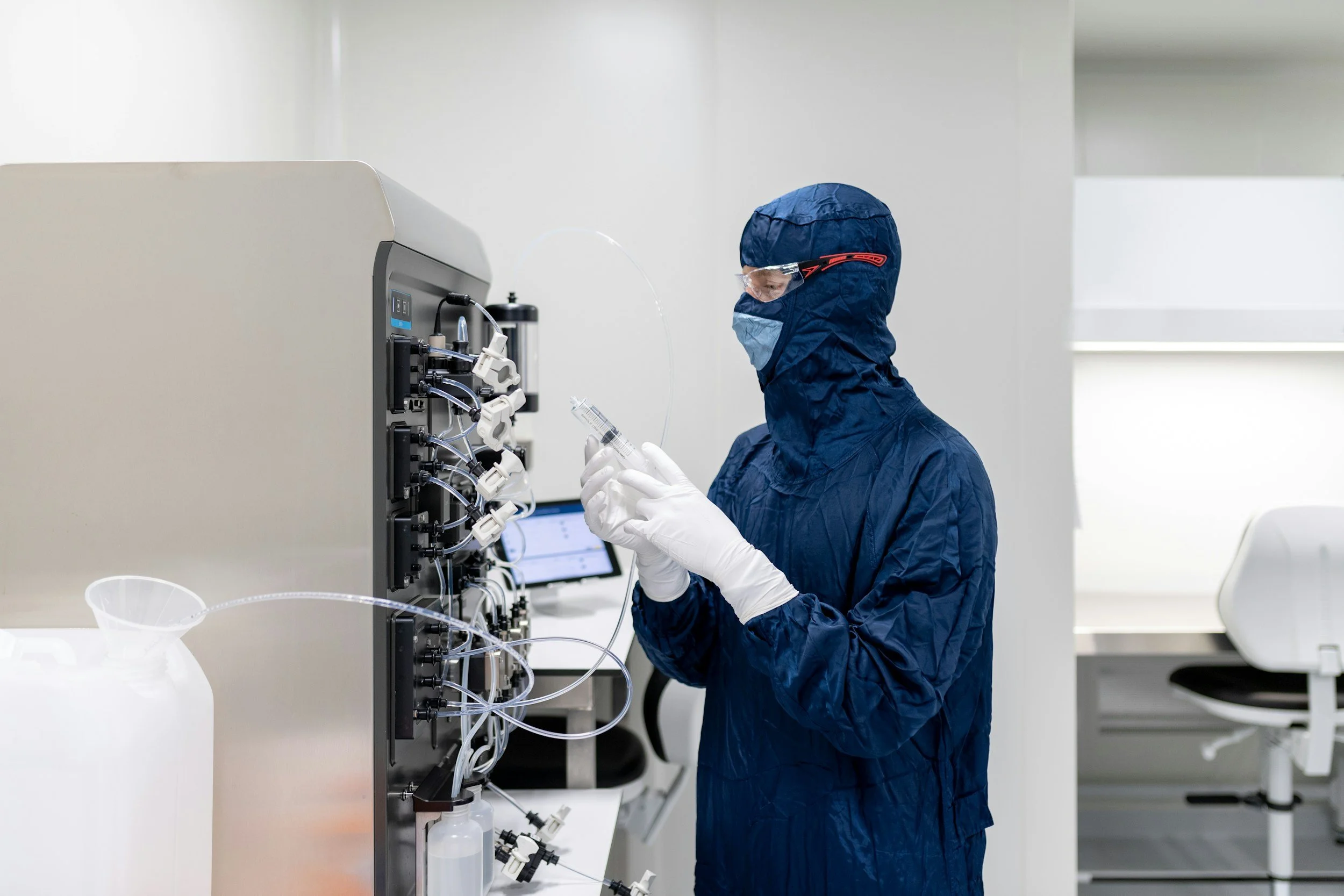
IN SAN ANTONIO
What it looks like here
These are two San Antonio institutions doing different parts of the same work. One is the anchor that turns a former Air Force base into one of the country's most active aerospace and cyber campuses. The other is making bioscience a viable sector for small businesses and startups, not just for large research institutions.
In practice

Photo courtesy of Port San Antonio
Port San Antonio
The 1,900-acre campus on the city's Southwest side, built on the former Kelly Air Force Base, now hosts more than 80 companies and 19,000 workers across aerospace, defense, cybersecurity, space, and advanced manufacturing. The campus generates a $9 billion regional economic impact, supports 83,000 jobs across Texas, and exports roughly $1.2 billion in goods, mostly aircraft and spacecraft equipment. Port San Antonio is what it looks like when a city decides not to let a base closure become a long-term economic loss, and instead builds an innovation campus on top of it.
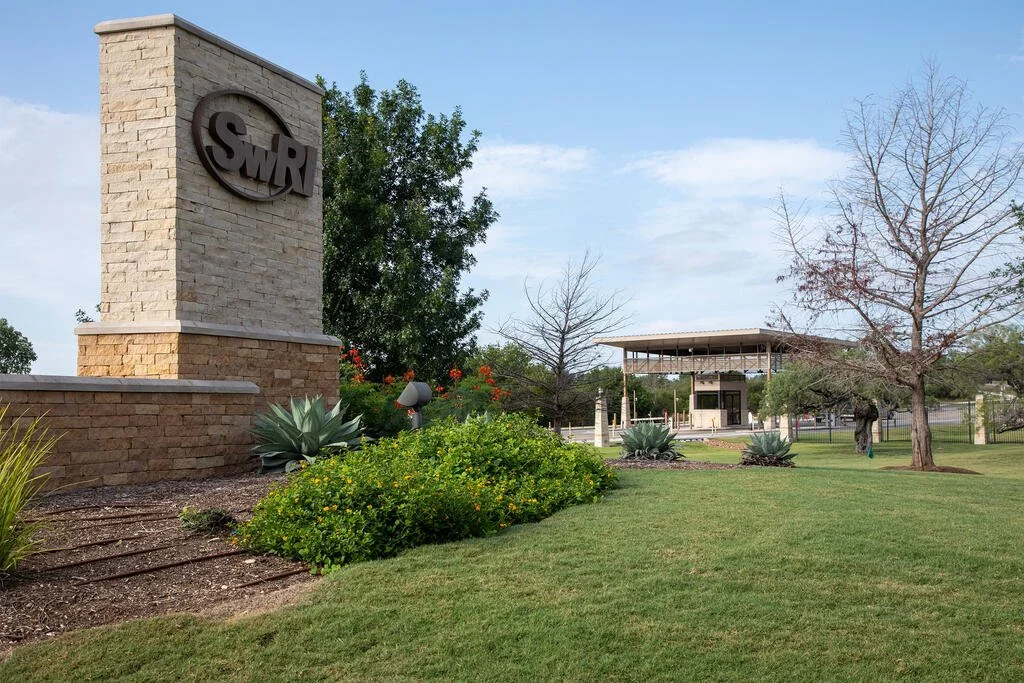
Photo courtesy of SwRI Images | Southwest Research Institute
Southwest Research Institute
Founded in 1947 by oilman Tom Slick, Southwest Research Institute is now one of the largest independent applied research and development organizations in the country, with 3,200 employees, more than 4,000 active projects at any given time, and roughly $966 million in research volume in 2025. Its 1,500-acre San Antonio campus runs work across aerospace, defense, space, automotive, energy, and bioscience for clients that include NASA, the Department of Defense, and major commercial partners. SwRI is what scaled, sustained applied research looks like when it puts roots down in one city. It is also the reason much of the advanced technical work happening here stays here.
Where San Antonio stands
San Antonio is one of the strongest cities in the country for advanced industry work. Joint Base San Antonio is the largest joint base in the Department of Defense. Port San Antonio has grown from a $5.6 billion economic impact in 2018 to $20 billion by 2024. The bioscience and healthcare sector employs nearly one in six local workers, and the pending merger of UT Health San Antonio and UTSA will create one of the top three research universities in the state. In 2024, Texas was selected to headquarter a $2.5 billion ARPA-H national biotech hub, with significant San Antonio involvement.
The harder question is who benefits. Aerospace MRO operators currently report vacancy rates between 12 and 15 percent for skilled technicians, with certified roles sitting open for 90 to 120 days. That is not a sign of weakness in the sector. It is a sign that demand far outstrips the local supply of trained workers and small business suppliers. The opportunity sitting in those gaps is real, and it is concentrated in exactly the kind of work that small and mid-sized businesses are well positioned to do.
The work ahead is not about building the sector. It already exists. It is about widening who can participate in it, and making sure the prosperity it generates lands locally rather than passing through to national prime contractors who happen to operate here.
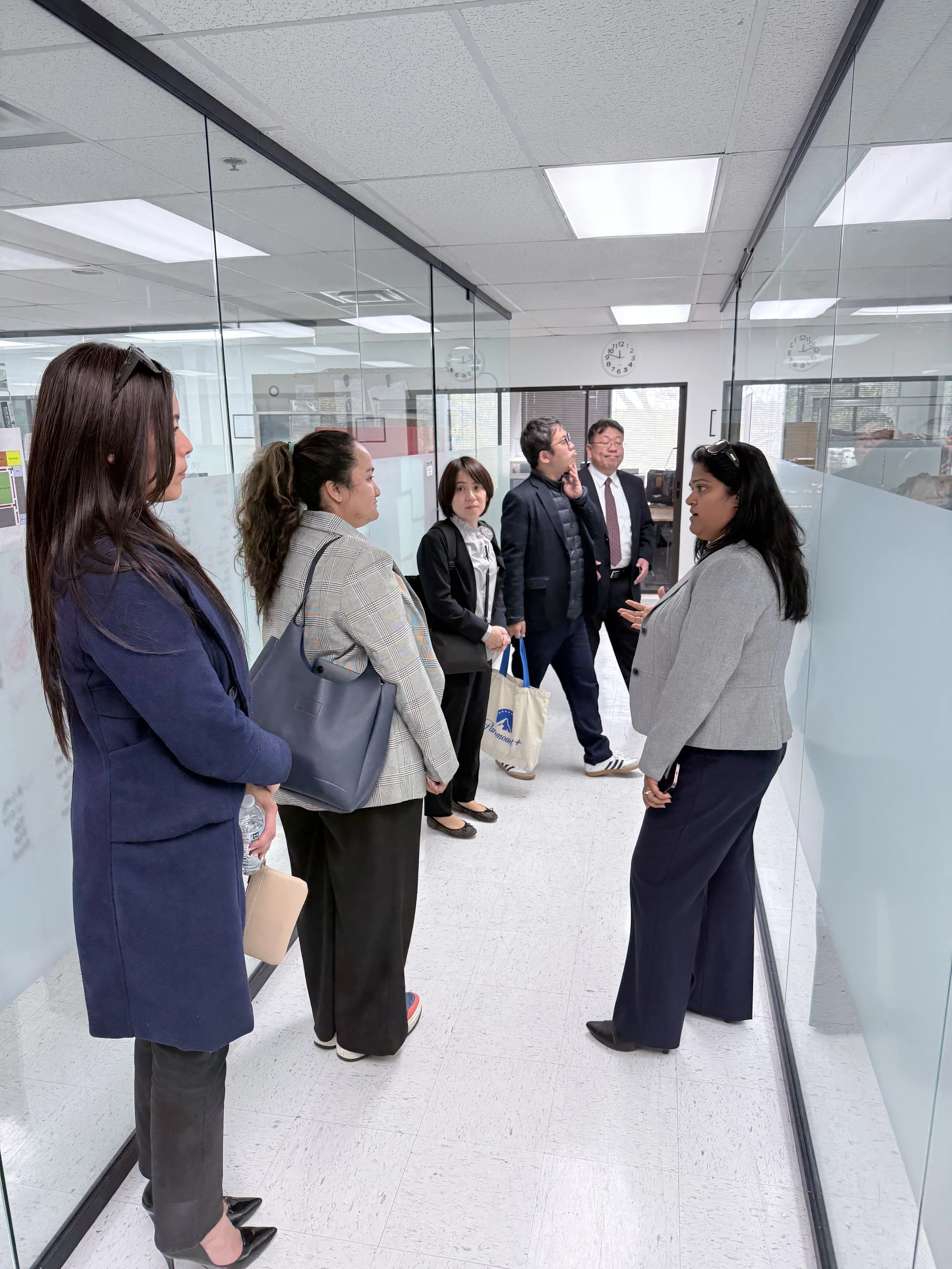
Looking to work in aerospace, defense, or bioscience?
〰️
Looking to work in aerospace, defense, or bioscience? 〰️
Whether you are a small business trying to win federal contracts, a bioscience startup looking for lab space and a path to commercialization, or a service company trying to plug into the regional supply chain, this is one of the strongest sectors in the city to build in. This is the kind of work we know how to support.



Empower Dreams: Join Us in Building Business Futures
Every donation fuels the journey of aspiring entrepreneurs in our community. Your support enables Emerge and Rise to provide essential resources, mentorship, and training to those who need it most. Together, we can transform potential into success. Invest in a brighter future today—every contribution makes a difference!